
TAA Logo in white

The Evolution of Thoroughbred Aftercare in North America

This article was originally featured in the July 2026 Issue of BloodHorse Magazine in the Second Acts series.

This article is the original format and text. To read the BloodHorse article or to subscribe click HERE.

The Evolution of Thoroughbred Aftercare in North America: A Story of Progress and Purpose

By Stacie Clark Rogers

In October 2010 the Blood horse published the “Unwanted Horses” special report, it was a landmark, multi-part investigative series that helped bring the conversation of aftercare to the forefront within the Thoroughbred industry. Since that edition many things have evolved in aftercare and most recently the announcement of the Thoroughbred Aftercare Alliance strategic plan was made. We have learned, if nothing else, Aftercare is a shared responsibility across the entire industry.

What was once a fragmented aspect of the Thoroughbred industry has evolved into a coordinated, transparent, and increasingly supported network of organizations committed to the welfare of the horse beyond their racing and breeding careers. Central to this progress has been the emergence and growth of many initiatives, including by not limited: to Thoroughbred Aftercare Alliance (TAA), Thoroughbred Charities of America (TCA), the Retired Racehorse Project (RRP), and The Jockey Club Thoroughbred Incentive Program (T.I.P.).

Parallel to the growth of these aftercare initiatives, we also are witnessing the growth and development of much needed on-track placement programs, such as Beyond the Wire, CARMA, TAKE THE LEAD, and many more. These programs were highlighted in the BloodHorse Magazine in February 2026. You can read “The Importance of Racetrack Placement Programs for Retiring Thoroughbreds” online at: www.thoroughbredaftercare.org/the-importance-of-racetrack-placement-programs-for-retiring-thoroughbreds.

Together, these organizations and the industry stakeholders who stand behind them, represent a cultural shift within racing – one that recognizes aftercare not as an obligation, but as a shared responsibility.

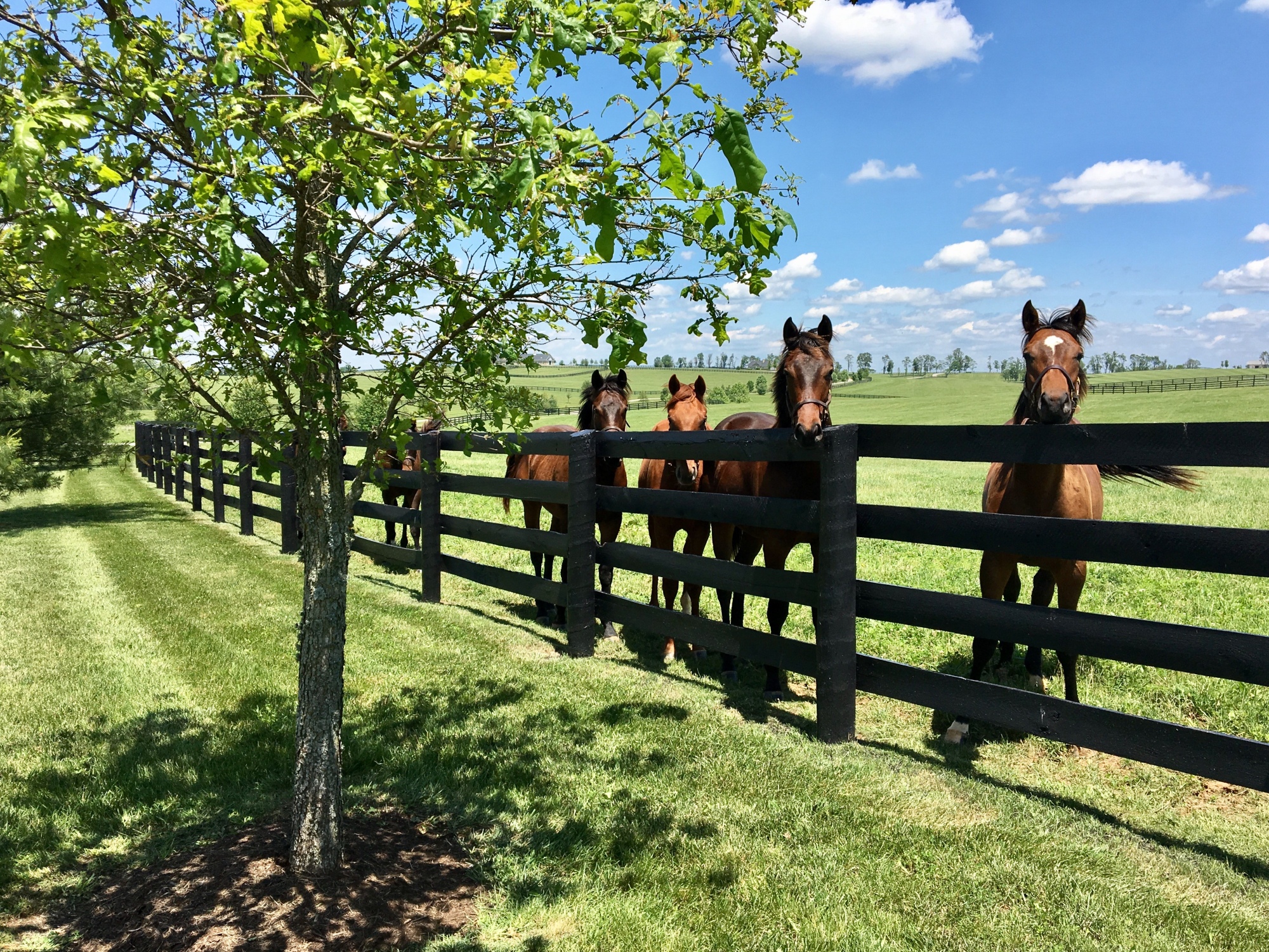
Two horses at Redwings Horse Sanctuary, a TAA accredited organization. Photo submitted by Sara Ruggerone, Photo Credit to Deborah Hofstetter
Building Standards and Ensuring Accountability: The Role of Thoroughbred Aftercare Alliance


Thoroughbred Aftercare Alliance has played a pivotal role in establishing uniform standards across accredited aftercare organizations. By implementing a rigorous accreditation process and ongoing inspections, TAA has brought a new level of accountability and professionalism to aftercare.

Equally important has been the foundational support that made TAA possible. The organization was launched through significant funding and leadership from key industry stakeholders: Breeders’ Cup Limited, Keeneland Association, The Jockey Club, owners, breeders, racetracks, and sales companies. Together they recognized the need for a unified aftercare body. That early investment not only created TAA but set the tone for ongoing, collective responsibility.

Today, TAA’s funding model continues to reflect that broad-based commitment, with contributions from racetracks, wagering platforms, and industry partners demonstrating that aftercare is now embedded within the economics of the sport.

Currently there are 86 accredited organizations across North America with over 175 facilities.
Sustained Support and Funding: The Impact of Thoroughbred Charities of America

Long before aftercare became a mainstream industry priority, Thoroughbred Charities of America was laying the groundwork.

TCA’s mission is to fund and facilitate the support of Thoroughbreds and the people who care for them. TCA provides grants to approved non-profit organizations and offers supporters a way to give to one organization while helping many.

Since its founding, TCA has distributed grants to approved aftercare organizations, supporting everything from retraining programs to sanctuary care.

TCA’s longevity and consistency highlight the importance of reliable funding streams. Its work has helped stabilize the aftercare landscape, ensuring that organizations across North America can plan, grow, and deliver high-quality care.

In many ways, TCA represents the philanthropic backbone of aftercare by demonstrating how sustained charitable giving can create lasting infrastructure.

Sustained Support and Funding: The Impact of Thoroughbred Charities of America

Long before aftercare became a mainstream industry priority, Thoroughbred Charities of America was laying the groundwork.

TCA’s mission is to fund and facilitate the support of Thoroughbreds and the people who care for them. TCA provides grants to approved non-profit organizations and offers supporters a way to give to one organization while helping many.

Since its founding, TCA has distributed grants to approved aftercare organizations, supporting everything from retraining programs to sanctuary care.

TCA’s longevity and consistency highlight the importance of reliable funding streams. Its work has helped stabilize the aftercare landscape, ensuring that organizations across North America can plan, grow, and deliver high-quality care.

In many ways, TCA represents the philanthropic backbone of aftercare by demonstrating how sustained charitable giving can create lasting infrastructure.

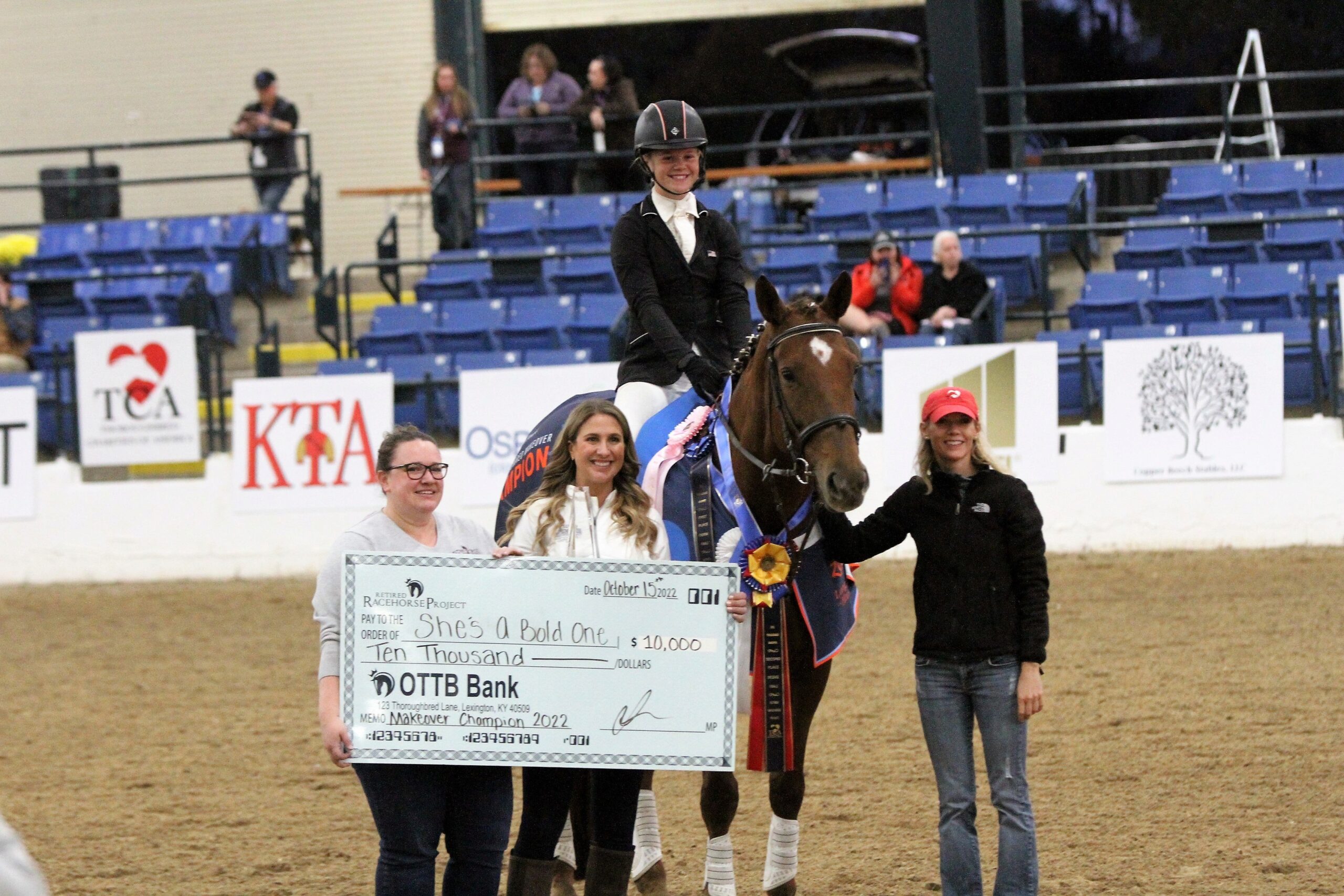
Pictured Left to Right: Kirsten Green (RRP), Cathy Shircliff (Churchill Downs / TCA Board Member), Erin Halliwell (TCA).
Creating Opportunity and Visibility: The Retired Racehorse Project Effect

While funding and standards are critical, the long-term success of aftercare also depends on creating demand for retrained Thoroughbreds. This is where the Retired Racehorse Project has made an extraordinary impact.

Through initiatives such as the Thoroughbred Makeover, the RRP has redefined what is possible for retired racehorses. By showcasing their versatility across disciplines, the RRP has expanded the market for Thoroughbreds beyond racing and into the broader equestrian community.

Equally important, the RRP has shifted perception. Retired Thoroughbred racehorses are now widely recognized as athletic, intelligent, and highly trainable partners. This evolution has significantly increased second-career success.
Creating Opportunity and Visibility: The Retired Racehorse Project Effect

While funding and standards are critical, the long-term success of aftercare also depends on creating demand for retrained Thoroughbreds. This is where the Retired Racehorse Project has made an extraordinary impact.

Through initiatives such as the Thoroughbred Makeover, the RRP has redefined what is possible for retired racehorses. By showcasing their versatility across disciplines, the RRP has expanded the market for Thoroughbreds beyond racing and into the broader equestrian community.

Equally important, the RRP has shifted perception. Retired Thoroughbred racehorses are now widely recognized as athletic, intelligent, and highly trainable partners. This evolution has significantly increased second-career success.

Expanding Participation and Incentives: The Role of The Jockey Club Thoroughbred Incentive Program


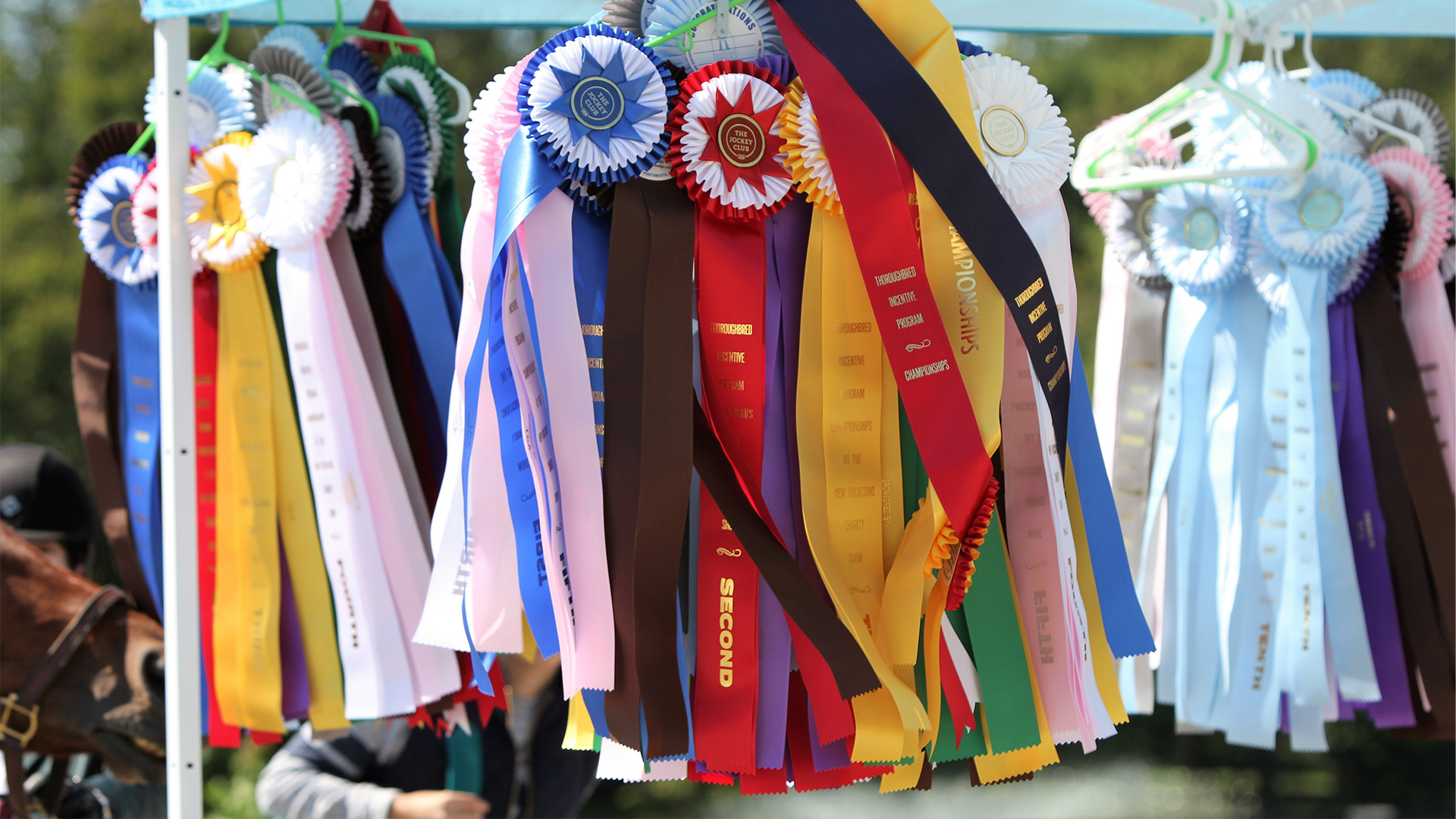
Complementing these efforts, The Jockey Club Thoroughbred Incentive Program has played a crucial role in bridging the gap between retraining and long-term placement. By offering awards, classes, and recognition exclusively for Thoroughbreds at horse shows across North America, T.I.P. has created tangible incentives for riders and owners to choose the breed.

By increasing visibility and rewarding participation, T.I.P. reinforces the Thoroughbred’s identity as a versatile sport horse and expands the marketplace for retrained horses while directly supporting aftercare outcomes.
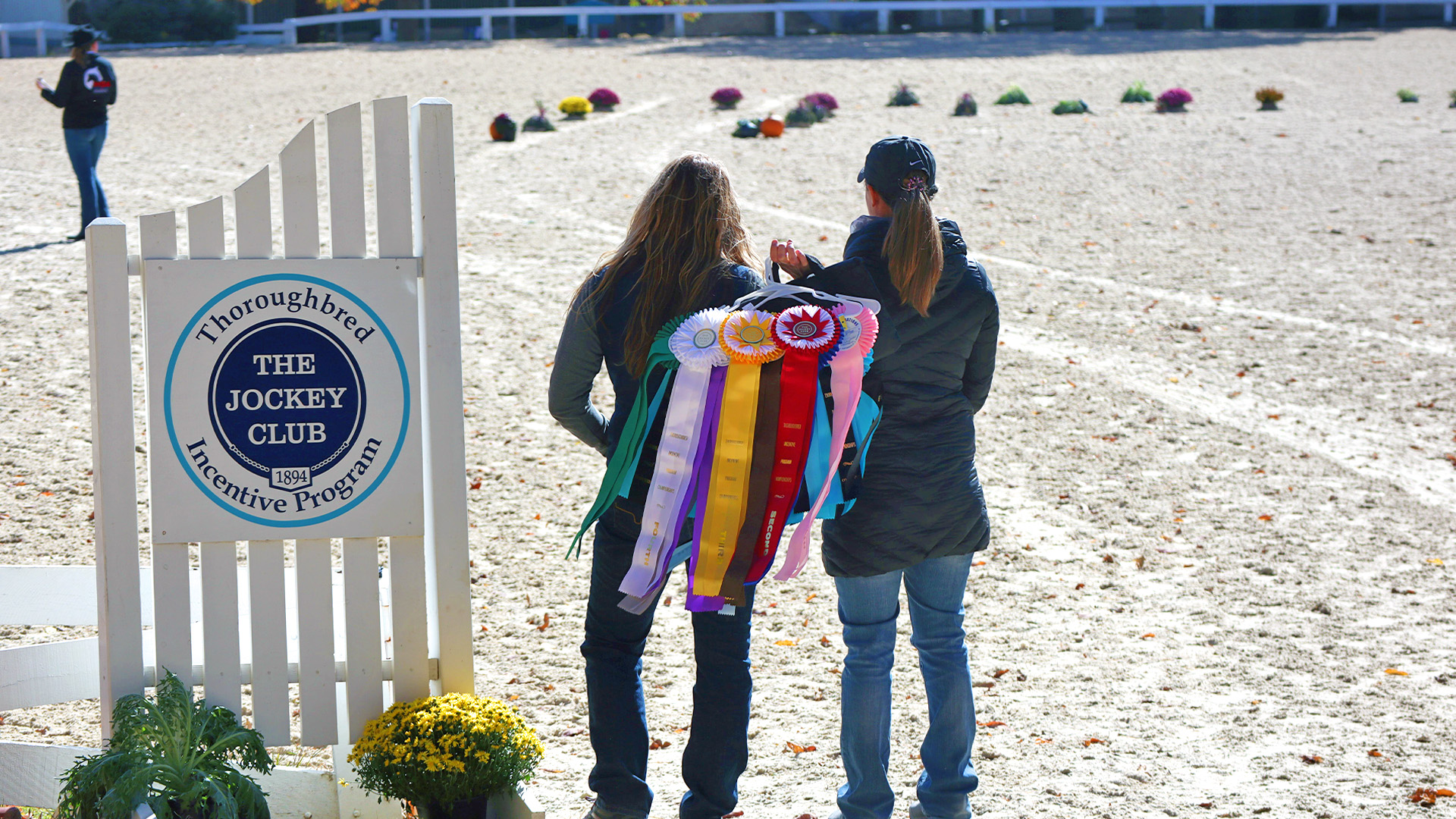
Kristin Werner (The Jockey Club) and Sarah Coleman (The Kentucky Horse Council) at the T.I.P. Championships. Photo courtesy of Kristin Werner.
Expanding Participation and Incentives: The Role of The Jockey Club Thoroughbred Incentive Program

Complementing these efforts, The Jockey Club Thoroughbred Incentive Program has played a crucial role in bridging the gap between retraining and long-term placement. By offering awards, classes, and recognition exclusively for Thoroughbreds at horse shows across North America, T.I.P. has created tangible incentives for riders and owners to choose the breed.

By increasing visibility and rewarding participation, T.I.P. reinforces the Thoroughbred’s identity as a versatile sport horse and expands the marketplace for retrained horses while directly supporting aftercare outcomes.

Kristin Werner (The Jockey Club) and Sarah Coleman (The Kentucky Horse Council) at the T.I.P. Championships. Photo courtesy of Kristin Werner.
Industry-Wide Commitment: From Seed Funding to Sustainable Support

The greatest advancement in Thoroughbred aftercare has been the depth and scope of industry awareness and participation. What began with the seed funding and leadership behind TAA has evolved into an integrated funding ecosystem.

Today, major sales companies have embedded aftercare contributions into their business models, often through fractional percentage-based donations tied to sales transactions. Some major Thoroughbred farms (both large commercial operations and smaller breeders) have also become active contributors, recognizing that aftercare is an extension of responsible horsemanship.

This shift reflects a move from reactive support to proactive investment, where aftercare is considered at every stage of a horse’s life. It also strengthens public trust, reinforcing that the industry stands behind its horses for life.

Expanding the Thoroughbred’s Role: Versatility Beyond the Racetrack

One of the most encouraging developments in recent years has been the growing recognition of the Thoroughbred as a truly versatile horse, capable of thriving in a wide range of disciplines and careers.

Today, Thoroughbreds are increasingly visible across equine sport disciplines, including Hunters, Show Jumping, Dressage, Eventing, Endurance, Western, and more. Their athleticism, intelligence, and work ethic make them highly adaptable partners, and initiatives like the RRP and T.I.P. have helped showcase and normalize their success in these arenas.

Beyond sport, Thoroughbreds are making a meaningful impact in equine-assisted therapy and learning programs. Their incredible sensitivity and responsiveness lend themselves well to therapeutic environments, where they help individuals build confidence, develop emotional awareness, and engage in personal growth. This expanding role not only broadens placement opportunities but also highlights the deeper value these horses bring to communities.

The Leadership of the Thoroughbred Retirement Foundation

As one of the founding organizations of aftercare, the Thoroughbred Retirement Foundation (TRF) has long been a leader in developing innovative models that benefit both horses and people.

Among its most impactful initiatives is the Second Chances Program, which partners retired Thoroughbred racehorses with incarcerated individuals in correctional facilities.

The impact is twofold. Horses receive consistent, attentive care in a structured environment, while participants gain vocational training and personal development opportunities that can support successful reintegration into society. The program has been widely recognized for reducing recidivism and fostering meaningful human-animal connections.

The TRF has been a pioneer in demonstrating the therapeutic value of horses. Its work helped lay the groundwork for the broader acceptance and growth of equine-assisted learning programs seen today. By illustrating how Thoroughbreds can contribute to healing, education, and emotional development, the TRF expanded the definition of aftercare beyond second career placement alone.
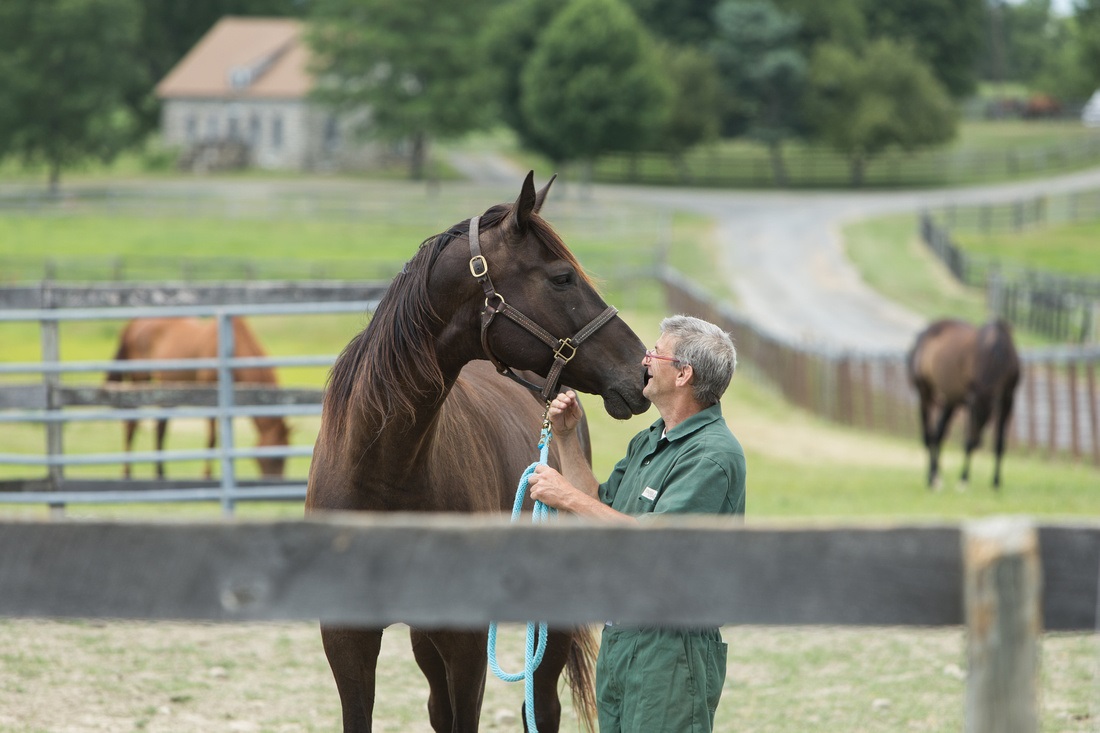
TRF Second Chances
The Leadership of the Thoroughbred Retirement Foundation

As one of the founding organizations of aftercare, the Thoroughbred Retirement Foundation (TRF) has long been a leader in developing innovative models that benefit both horses and people.

Among its most impactful initiatives is the Second Chances Program, which partners retired Thoroughbred racehorses with incarcerated individuals in correctional facilities.

The impact is twofold. Horses receive consistent, attentive care in a structured environment, while participants gain vocational training and personal development opportunities that can support successful reintegration into society. The program has been widely recognized for reducing recidivism and fostering meaningful human-animal connections.

The TRF has been a pioneer in demonstrating the therapeutic value of horses. Its work helped lay the groundwork for the broader acceptance and growth of equine-assisted learning programs seen today. By illustrating how Thoroughbreds can contribute to healing, education, and emotional development, the TRF expanded the definition of aftercare beyond second career placement alone.
TRF Second Chances
The Importance of Sanctuary: Honoring the Horse for Life

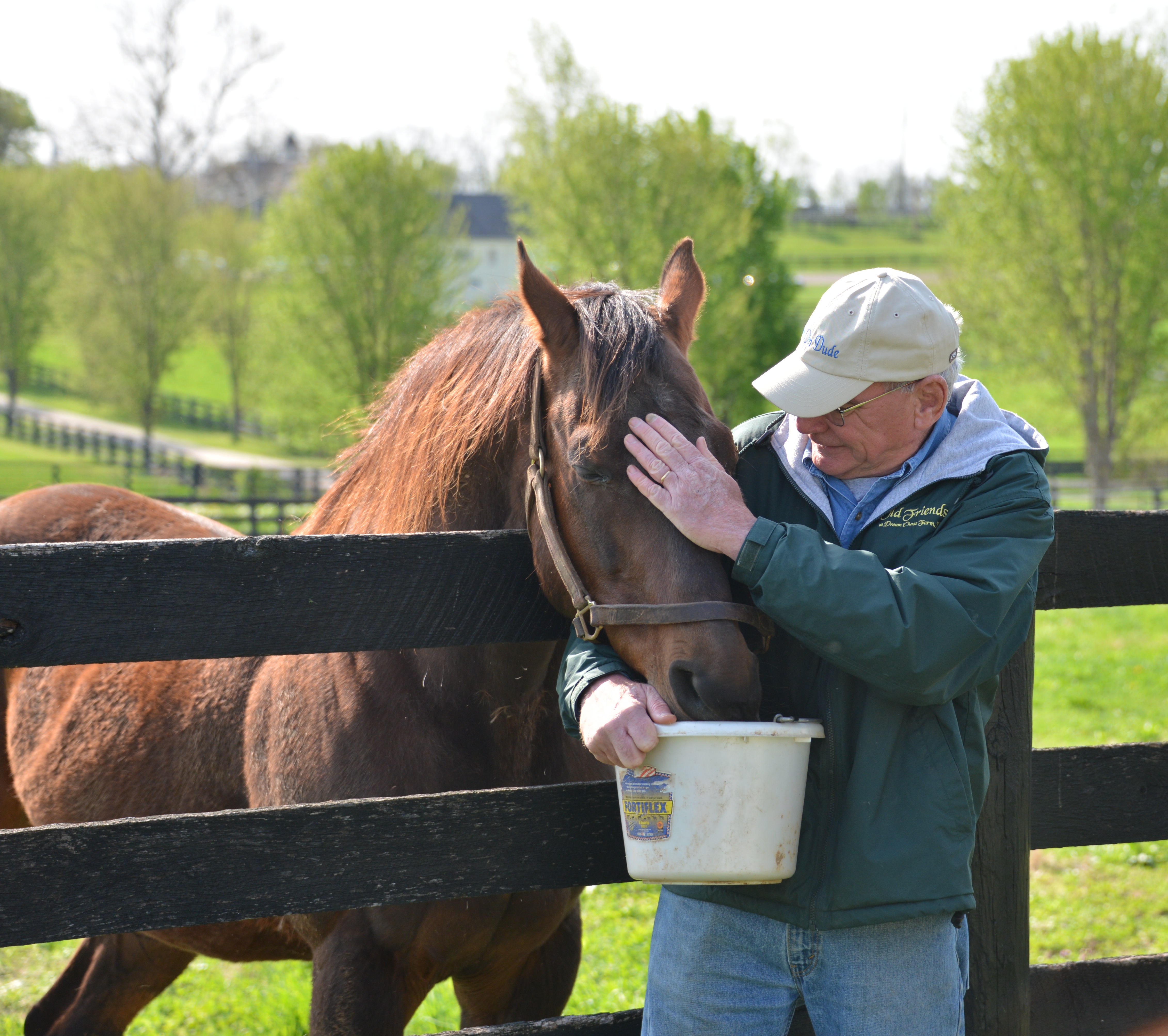
While many Thoroughbreds transition successfully into second careers, a vital component of aftercare is the availability of lifelong sanctuary for those who are not suitable for retraining or rehoming. Organizations such as Old Friends and Our Mims Retirement Haven are just two groups that highlight this commitment.

Sanctuaries provide dignified, lifelong care for former racehorses, including high-profile runners and lesser-known horses alike. They serve as both safe havens and educational centers, allowing the public to connect with these athletes and gain a deeper appreciation for their stories.

Additionally, sanctuaries reinforce a core principle of modern aftercare: every horse matters, regardless of their post-racing potential.

Old Friends
Progress Achieved—And Work Still to Be Done

While the progress in Thoroughbred aftercare has been substantial and worthy of recognition, it is equally important to acknowledge that the work is not complete. The growth of accredited organizations, retraining programs, and funding streams has created a strong foundation, but continued development is essential to meet ongoing needs.

Demand for aftercare services remains high. Many organizations operate at or near capacity, and the cost of care, feed, veterinary services, staffing, and facilities continues to rise. Sustained and expanded funding will be critical to ensure that no horse falls through the cracks.

There are opportunities for further innovation: expanding retraining opportunities, supporting smaller organizations, and increasing engagement across all levels of the industry. Continued education and awareness will also play a key role in maintaining momentum and public trust.

The encouraging reality is that the framework is now in place. With ongoing commitment from stakeholders and a shared dedication to improvement, the industry is well-positioned to build on its success.

Photo Courtesy of Amy May
A Collaborative Future

One of the most encouraging developments in Thoroughbred aftercare is the level of collaboration now seen across the industry. TAA, TCA, the RRP, and T.I.P. each serve distinct but complementary roles. Accreditation, funding, retraining, placement, and incentive-based engagement has created a more cohesive and effective system.

Looking Ahead

The trajectory of Thoroughbred aftercare in North America is positive. Increased funding, improved standards, expanded participation, and deeper industry engagement all point to a system that is not only growing but maturing.

The Thoroughbred Aftercare Alliance Strategic Plan represents a meaningful shift from simply supporting aftercare to building a more structured, accountable, and scalable aftercare system across the industry. It shows growth not just in funding, but in sophistication, reach, and long-term impact.

At the same time, the industry’s willingness to recognize the need for continued investment and development is a sign of strength, not weakness. It reflects a commitment to doing better, not just doing enough.

The progress driven by TAA, TCA, the RRP, T.I.P., and the industry stakeholders who support them demonstrate what can be achieved when an industry comes together with a shared purpose. The path forward is one of continued growth, collaboration, and responsibility.

The result is a future where each Thoroughbred is given the opportunity for a meaningful life beyond racing or breeding, whether that is through equine sports, therapy, education, or sanctuary, and where the industry that bred and raced them continues to invest in making that possible.

Share This Article