
Inspector Spotlight: Rachel Masen
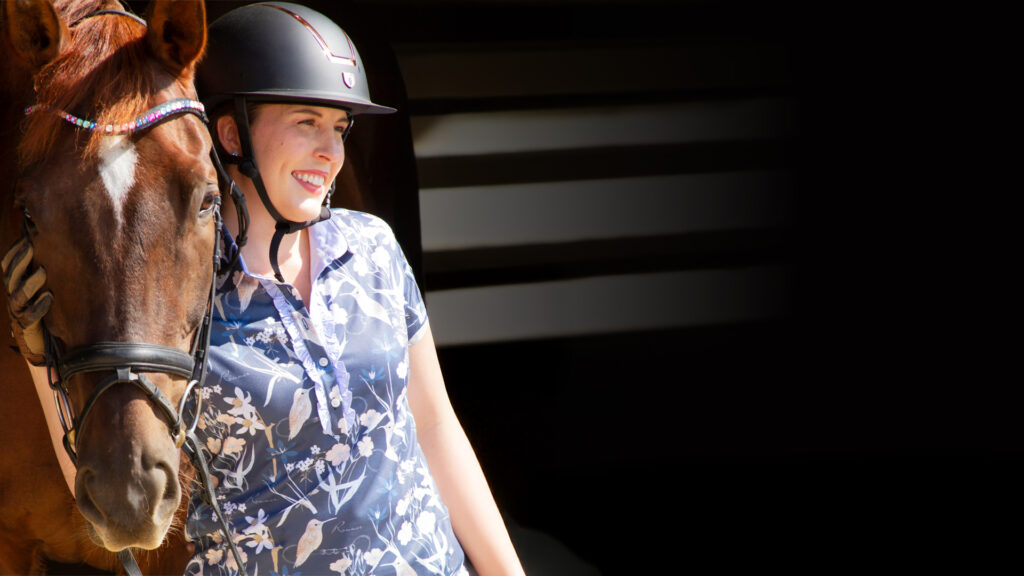
All Items Success Stories Aftercare Editorials Retraining Tips Supporter Features Equine-Assisted Learning Sanctuary Living Inspector Spotlights Hamburger Toggle Menu Previous PostNext Post Inspector Spotlight: Rachel Masen Inspector Spotlight: Rachel Masen By: Alexis Arbaugh June 25, 2025 Inspector Spotlight Tags:accredited aftercare, Aftercare Organization, Inspector Spotlight, Rachel Masen, Thoroughbred Aftercare, Thoroughbred Aftercare Alliance To qualify for accreditation and receive a grant from Thoroughbred Aftercare Alliance, every facility within an organization must undergo a comprehensive inspection. These inspections are carried out by either Thoroughbred Aftercare Alliance staff or one of many approved inspectors located across the country. Sight inspectors are Thoroughbred Aftercare Alliance’s eyes at every facility. They include veterinarians and other equine professionals. Inspectors have prior experience in animal care and Thoroughbred aftercare, which makes them well-equipped to assess facilities seeking accreditation. During an accreditation inspection, the facility and everything that goes into running it is under review. This includes the staff, equine management and care practices, fields, barn/buildings, cleanliness standards, maintenance protocols, and financial management, among numerous other factors, taking pictures as they go. When an inspector visits a facility, all these elements are thoroughly examined. Thoroughbred Aftercare Alliance interviewed Rachel Masen, an inspector who has been with Thoroughbred Aftercare Alliance since 2017. She conducts inspections in the San Francisco Bay and Sacramento Valley areas in California. Before becoming an inspector, Rachel was the Aftercare Liaison at Golden Gate Fields from 2016 – 2022. Through her work in the aftercare industry she was introduced to Thoroughbred Aftercare Alliance. Currently Rachel is working as an artist / designer and a website designer / manager. She works closely with various aftercare organizations to ensure their websites stay up to date and their messages are communicated clearly. Most of Rachel’s spare time is spent riding and being around horses, she commented, “I’m borderline obsessed with dressage.” She also enjoys painting and designing artwork for equestrian companies and products. Lastly, she loves spending time and playing with her daughter. Rachel had very little access to horses while growing up. Since Rachel didn’t ride frequently but had a passion for horses, she redirected all that energy into horse racing. She would visit Blue Ribbon Downs in Oklahoma with her parents or watch the races on TV. “I was the weirdo 10-year-old going down to the local newsstand to get my dad to buy the DRF or Bloodhorse…and I would read Bloodhorse on the school bus,” wrote Rachel. In the years following grad school, Rachel took riding lessons and leased a Thoroughbred named Titan (Jockey Club registered name Road to Gold.) Then she started volunteering with former Thoroughbred Aftercare Alliance accredited organization, Neigh Savers. After Titan, she started riding a Warmblood / Morgan cross and worked on Dressage. That horse led her to Spice It Up (Jockey Club registered name Gold Dove), who helped Rachel earn her United Stated Dressage Federation (USDF) Bronze. In 2018, they were 4th Level Thoroughbred Incentive Program (TIP) Champions. She is now riding an American Warmblood named Jax and they are getting ready to debut 4th Level. Even with all her experience with other breeds, Rachel still loves Thoroughbreds most and hopes to adopt one in the future. Rachel’s reason for becoming an inspector was because “it seemed like an obvious extension of my job [as the Golden Gate Fields Aftercare Liaison].” Rachel’s reason for becoming an inspector was because “it seemed like an obvious extension of my job [as the Golden Gate Fields Aftercare Liaison].” She loves visiting the horses she helped retire from Golden Gate that are now happy and thriving in their new homes. Rachel specifically enjoys visiting Glen Ellen Vocational Academy (GEVA) to check up on a few of their horses that she helped find a home for after they were at risk of ending up in bad situations. “It brings me great happiness to see them fat and happy with their herd mates,” Rachel emphasized. Facility inspections are important to Rachel because they make sure that nothing slips through the cracks. She acknowledges that someone who sees a horse every day might not notice little changes in their appearance or habits, but an inspector who sees them once a year will notice any changes. Same with farm maintenance, the farm manager might overlook the need to redo the fencing since they see it daily, but an inspector will notice what needs to be updated. Rachel also notes that facilities require a great deal of support and organizational skills during times of transition. If the organization moves locations or experiences an influx of horses, some things may get missed or forgotten in the shuffle. “It’s good to have different eyes on the situation to bring attention to things that might be missed,” Rachel mentioned. Having an organization like Thoroughbred Aftercare Alliance to rely on during times of transition makes maintaining structure and organization in the facility easier to handle. “I want to see happy, healthy horses…no matter their environment,” wrote Rachel. She prioritizes the demeanor and physical appearance of the horses over the fanciness of the barn. She cares more about how the horses behave in their environment than about the cost of their feed or the number of supplements they receive. Rachel also likes to ensure that all the horses seem interested in her when she visits, believing that horses should be curious about new things in their environment. Most importantly she enjoys seeing large herds of horses that get along well in their field. In addition to happy horses, Rachel appreciates a well-organized and clean facility with clear schedules and organizational tools posted. Organizations with many volunteers should have plenty of signage and information boards. For those involved in retraining, clean and tidy tack rooms with clearly labeled items are essential. Rachel likes “to see a tidy facility as it indicates care and attention.” She notes that supplies in the barns don’t have to sparkle or be new, as long as everything has its place. Accreditation “helps the aftercare organizations make sure they’re keeping on
Diana McClure
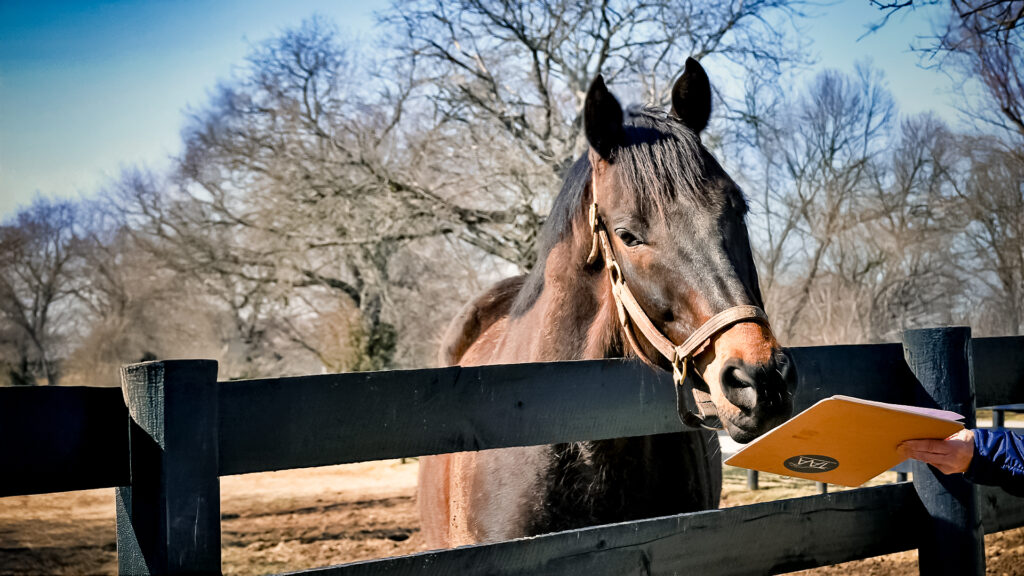
All Posts & News Press Releases Success Stories Aftercare Editorials Retraining Tips Supporter Features Equine-Assisted Learning Inspector Spotlights Hamburger Toggle Menu [wpdreams_ajaxsearchlite] Previous PostNext Post Inspector Spotlight: Diana McClure Inspector Spotlight: Diana McClure By: Alexis Arbaugh April 10, 2025 Inspector Spotlight Tags:Accredited Facility, Accredited Organization, Inspection, Inspector, Inspector Spotlight, Thoroughbred Aftercare, Thoroughbred Aftercare Alliance, Thoroughbred Retirement Foundation, TRF To qualify for accreditation and receive a grant from Thoroughbred Aftercare Alliance, every facility within an organization must undergo a comprehensive inspection. These inspections are carried out by either Thoroughbred Aftercare Alliance staff or one of many approved inspectors located across the country. Site inspectors are Thoroughbred Aftercare Alliance’s eyes at every facility. They include veterinarians and other equine professionals. Inspectors have prior experience in animal care and Thoroughbred aftercare, which makes them well-equipped to assess facilities seeking accreditation. During an accreditation inspection, the facility and everything that goes into running it is under review. This includes the staff, equine management and care practices, fields, barn/buildings, cleanliness standards, maintenance protocols, and financial management, among numerous other factors, taking pictures as they go. When an inspector visits a facility, all these elements are thoroughly examined. Diana McClure has been a long-time and dedicated inspector for Thoroughbred Aftercare Alliance. Since 2021, Diana has served as an inspector for the organization, focusing primarily on facilities in Virginia and Maryland. Her involvement began through the encouragement of Dr. Pug Hart and his wife, Susie Hart—a former board member—who motivated Diana to explore the opportunity to give back to the racing industry by becoming an aftercare organization inspector. Shortly thereafter, Suzie Oldham, Inspections Administrator at Thoroughbred Aftercare Alliance, reached out to Diana to discuss her background in Thoroughbred aftercare. That conversation deepened Diana’s understanding of the organization’s mission and led to her first facility visit. In her interview, Diana emphasized again and again that “accredited aftercare is so very important to provide a safe landing for any Thoroughbred.” Over the years, she has been an invaluable member of the team, sharing her expertise and passion for aftercare. Diana has devoted most of her life to horses. She grew up competing in Hunters and Equitation, but her love for racehorses began with Secretariat. His story sparked her interest in racing and inspired her to shift her focus from showing to the track. Her enthusiasm eventually convinced her parents to buy her a pony to ride in pony races. During high school, she connected with a neighbor who allowed her to help break his racehorses. She would travel with him to Charles Town Races near Washington, D.C., serving as an exercise rider and assisting at the starting gate during races. “When I meet facility caretakers who know every horse by name and can tell me about their personalities and who their friends are, my heart wants to explode with joy for the horses and with gratitude for the caretakers.” Diana McClure In college, Diana met an assistant trainer and began traveling with him to Monmouth Park in New Jersey. After gaining valuable experience on the track and obtaining her trainer’s license, she returned to Virginia and began training out of the Middleburg Training Center. It was there that she met her husband, a former steeplechase jockey. The couple married and worked hard to purchase a 100-acre field in Berryville, Virginia, where they built their training facility. Beginning in 2006, they developed a large clientele and trained both flat and jumping racehorses. Today, they focus exclusively on training and breeding flat racehorses. They personally break all their horses, using a methodical approach that incorporates walk, trot, canter, and cavaletti work to ease their transition into second careers. All of Diana’s homebred horses are guaranteed a place on her farm should they no longer be wanted after their racing careers conclude. With daily exposure to Thoroughbreds and a few retirees living on her farm, Diana possesses a deep and practical understanding of the breed. Her experience as a trainer gives her insight into the life of a racehorse, while her role as an aftercare provider highlights the specific accommodations Thoroughbreds require after the track. She emphasizes the importance of knowledgeable caretakers at aftercare facilities, noting, “… make sure they [Thoroughbreds] receive proper nutrition and care, especially as they age.” Photo at Thoroughbred Retirement Foundation Accredited aftercare plays a vital role in the racing industry. It provides peace of mind to owners and breeders, knowing their horses will receive the highest standard of care once their racing careers end. For adopters, accredited facilities uphold defined practices and standards, creating a trustworthy environment in which to make adoption decisions. These safeguards not only protect the welfare of the horses but also strengthen the integrity and sustainability of the racing community. In her three years of conducting inspections, Diana has developed a list of personal best practices she hopes to see at every facility. At the top of her list is a well-managed herd. She enjoys observing horses that coexist peacefully, forming a cohesive and friendly group. Her next priority is proper nutrition. Diana appreciates facilities that prioritize and continuously improve their horses’ nutritional programs—providing balanced diets with grain, hay, and access to pasture. She also underscores the importance of complementing nutrition with annual dental care and regular hoof trimming to support each horse’s health and happiness. Diana’s favorite inspection memory comes from her first-ever visit to a Thoroughbred Retirement Foundation facility. Aimee Leach, who managed the facility, gave Diana a warm welcome and a full tour of the barns and pastures. “Their horses were some of the best I have ever seen,” Diana recalled. She was impressed not only by the horses’ excellent condition and calm demeanors, but also by the individualized attention each received. Diana was particularly touched to see that the senior horses were housed closest to the barn so Aimee could keep a close watch on them. Each horse was fed individually to ensure they had time to finish their meals. Diana vividly remembers being amazed to learn that