

This article was originally featured in the February 2026 Issue of BloodHorse Magazine in the Second Acts series.
This article is the original format and text. To read the BloodHorse article or to subscribe click HERE.
By Stacie Clark Rogers
Over the past several decades, many racetracks and horsemen’s organizations have recognized the growing need for structured placement programs to assist Thoroughbreds after their racing careers conclude. While such initiatives were virtually nonexistent in the 1980s and 1990s, today they play an essential role in the welfare and reputation of the sport.
For much of racing’s history, little attention was given to what happened to Thoroughbreds after their final start. The assumption was that these horses, once the most sought-after breed in equestrian sports, would easily find new homes. Over time, however, the rise in popularity of warmbloods and other sport breeds made it more difficult for Thoroughbreds to transition into second careers. This left too many horses vulnerable to uncertain or unsafe outcomes.
Recognizing this reality, racetracks and horsemen’s associations began developing formal programs to assist with the rehoming process—providing oversight, funding, and partnerships with reputable aftercare organizations.
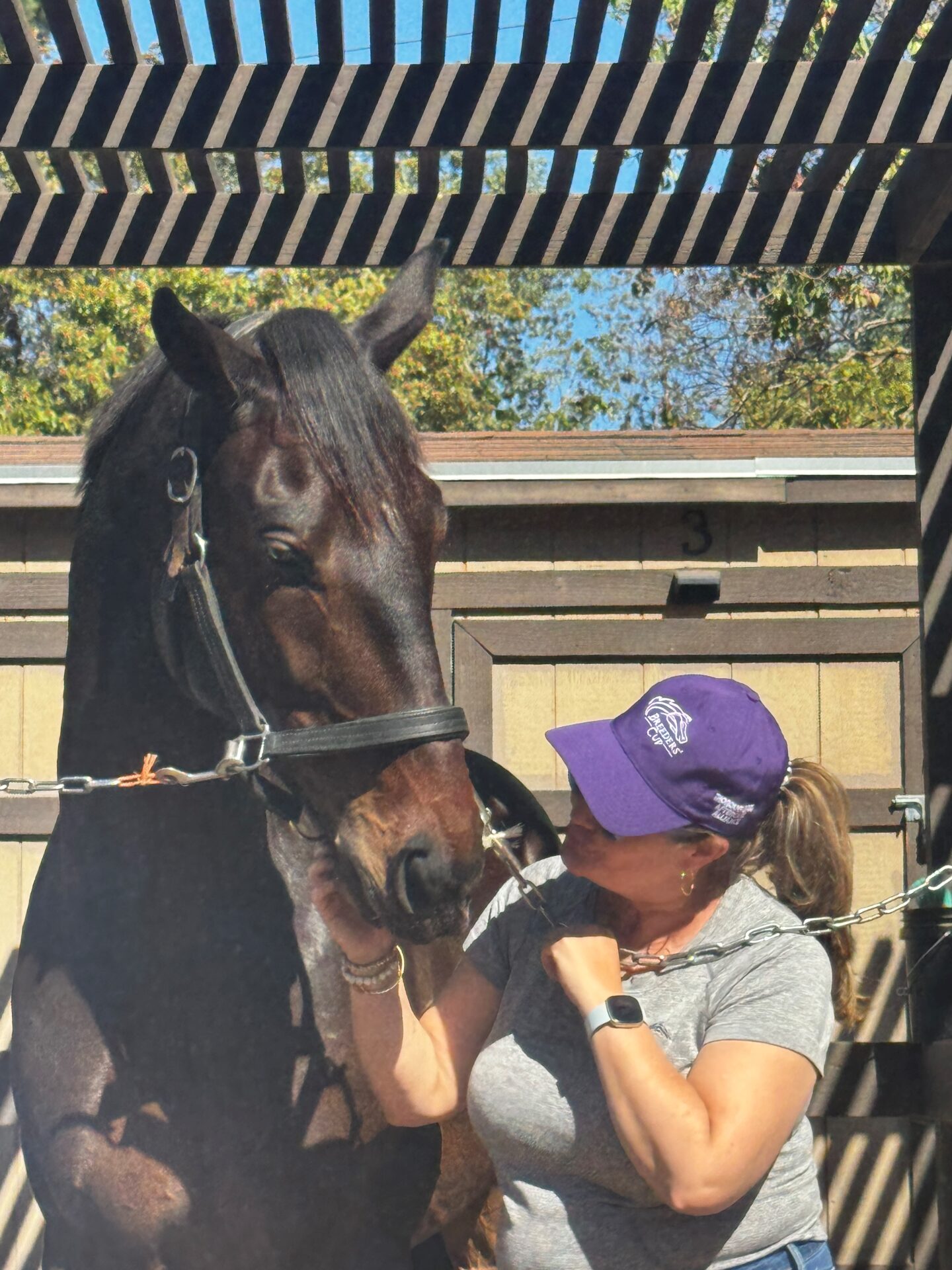
The first formal racetrack placement program emerged in Pennsylvania through a partnership between local horsemen and racetracks. “Turning for Home,” established at Parx Racing in 2008, remains a model of industry collaboration.
Under the leadership of Danielle Montgomery, the program has helped transition over 4,540 horses, including 178 in 2025 alone. Embedded within the backstretch community, Turning for Home educates horsemen, advocates for equine welfare, and accepts every eligible Parx or Pennsylvania-bred horse—regardless of injury or marketability.
California’s Thoroughbred community followed suit in 2012 when the Thoroughbred Owners of California (TOC) and the California Horse Racing Board (CHRB) created CARMA (California Retirement Management Account) to support aftercare groups.
By 2012, the growing need for direct placement led Executive Director Lucinda Lovitt and the CARMA Board to launch their own racetrack-based transition program. To date, CARMA has placed over 500 horses with accredited partners and individual equestrians.
Eligibility is based on an owner’s participation in the CARMA Purse Contribution Program, recent racing activity, and a required owner donation upon entry into the program.
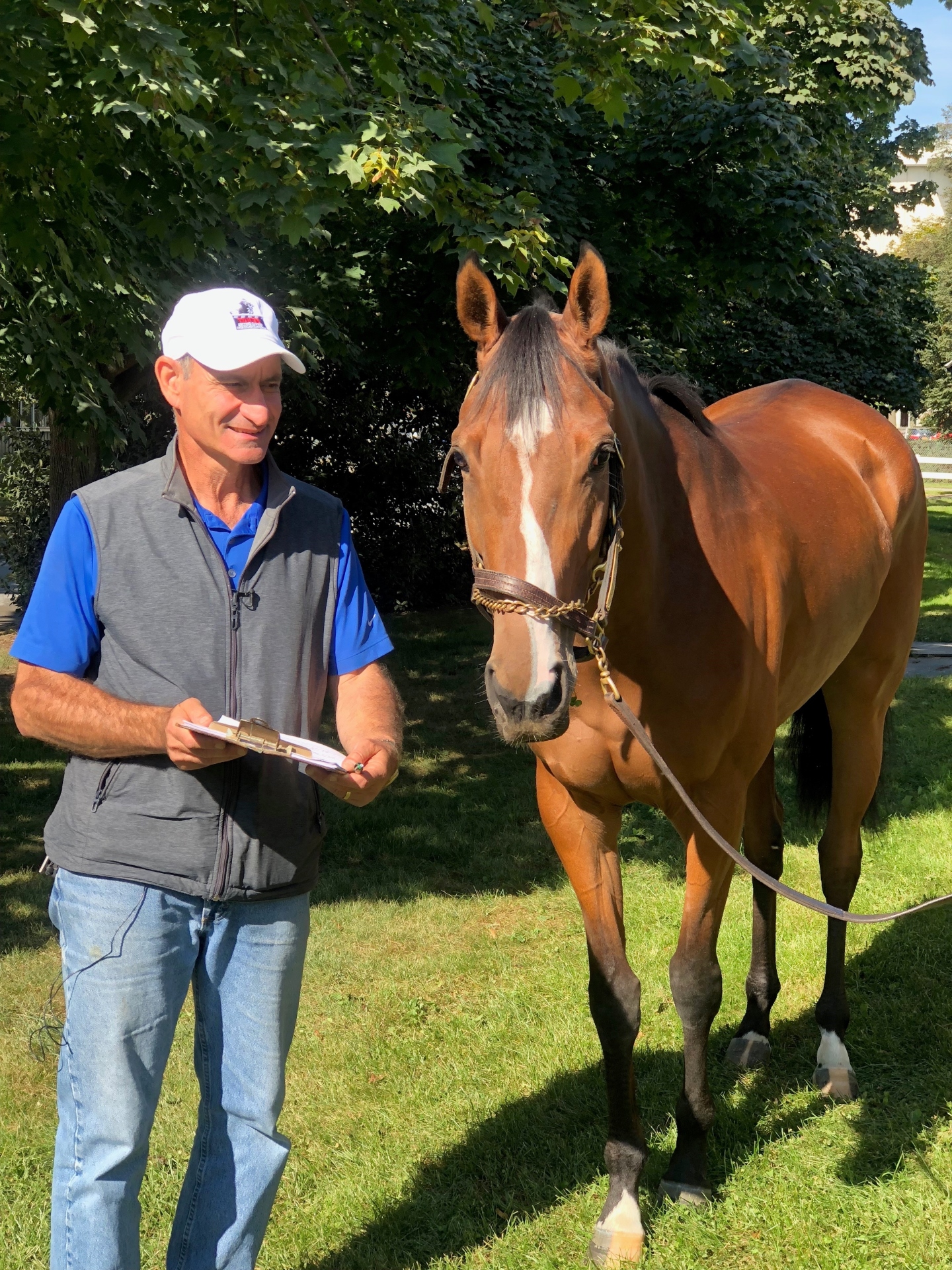
In 2013, under the leadership of the late Rick Violette, the New York Thoroughbred Horsemen’s Association (NYTHA) established Take the Lead to facilitate safe retirements for horses racing at NYRA tracks.
Today, the program is guided by President Rick Schosberg. Take the Lead has successfully transitioned more than 1,400 Thoroughbreds and is known for its robust process and transparency.
Each horse undergoes a veterinary soundness exam, with diagnostics reviewed by an equine surgeon. The program covers transportation costs and donates $1,500–$4,500 per horse to the accepting TAA-accredited organization, averaging $2,700 per horse, with additional contributions from the horse’s connections.
“Trust is everything,” says Schosberg. “Horsemen know that one call or text starts the process, and within a week, their horse will have a safe and purposeful new opportunity.”
Maryland’s Beyond the Wire program, launched through a partnership between the Maryland Thoroughbred Horsemen’s Association (MTHA), Maryland Jockey Club, and other stakeholders, serves as the state’s official first exit from racing.
Executive Director Jessica Hammond oversees the program, which has safely transitioned more than 1,000 Thoroughbreds since inception. Beyond the Wire provides transportation and a stipend to ensure a smooth and responsible transition to accredited organizations.
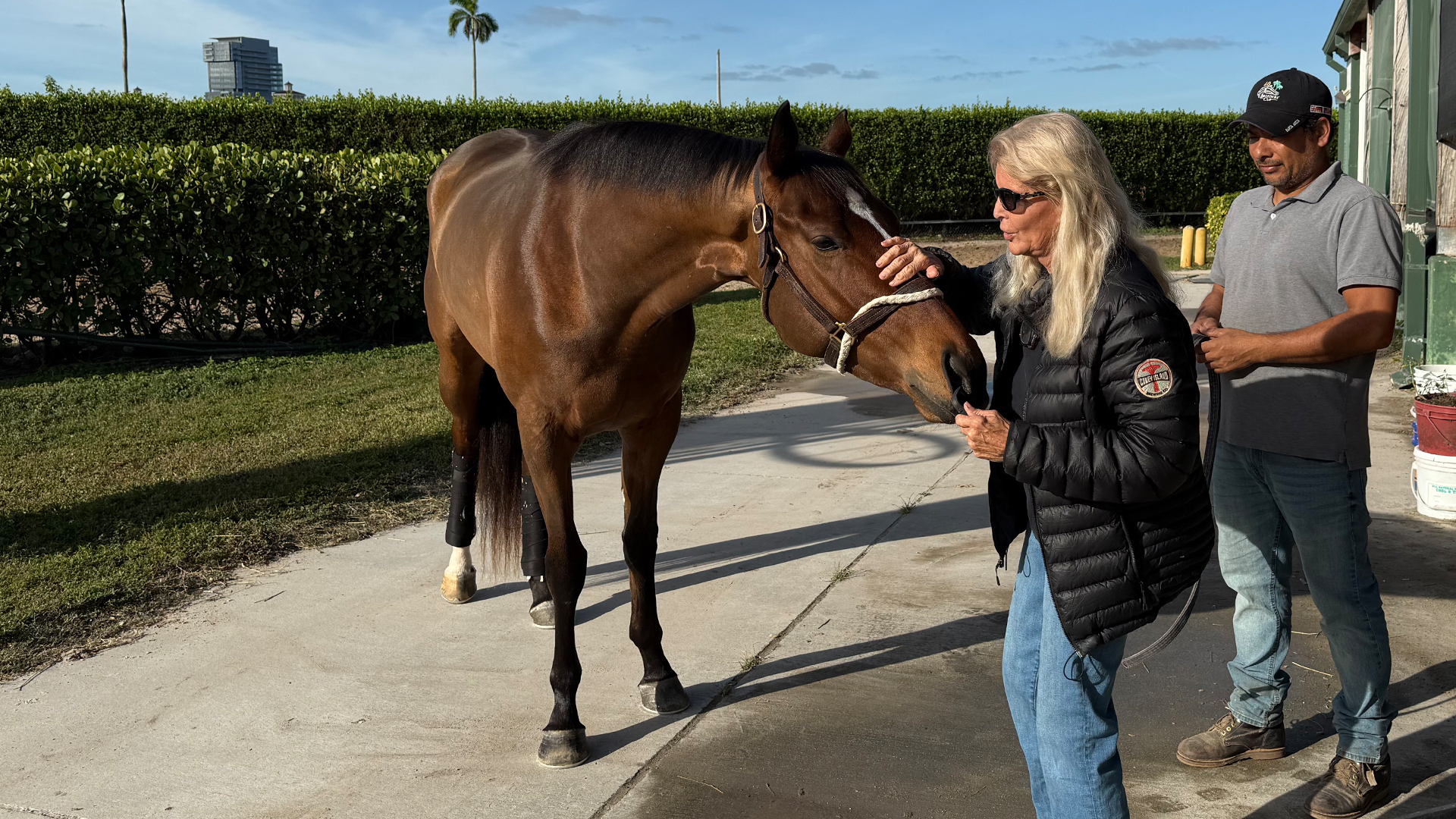
In early 2020, 1/ST Racing and the Florida Horsemen’s Benevolent and Protective Association (FHBPA) created the Gulfstream Park Transition Program, modeled after the successful initiatives in other jurisdictions.
Under Raina Gunderson’s direction, the program has already placed nearly 500 Thoroughbreds with TAA-accredited facilities or approved private equestrians. Like its counterparts, Gulfstream provides a stipend to help offset transition and retraining costs.
Placement programs serve as a safety net for horsemen and horses alike. For many trainers and owners who lack the time, resources, or network to manage a horse’s retirement, these programs provide immediate, trusted solutions. They handle the logistics—evaluations, transportation, and matching horses with suitable second-career opportunities—while maintaining transparency and accountability.
Perhaps most importantly, racetrack programs foster a cultural shift within the industry: prioritizing aftercare as a shared responsibility. With horsemen, racetracks, and accredited aftercare partners working together, these initiatives ensure that every Thoroughbred has a safe and dignified transition to life beyond the track.
From Parx to Santa Anita, Belmont, Laurel, and Gulfstream, racetrack placement programs have proven that industry-led welfare initiatives work. They not only protect Thoroughbreds but also reinforce public confidence in the sport’s long-term commitment to responsible aftercare.
Together, these programs demonstrate that the end of a horse’s racing career is not the end of its story—it’s the beginning of a new one.