
Sanctuary Living: James River Horse Foundation
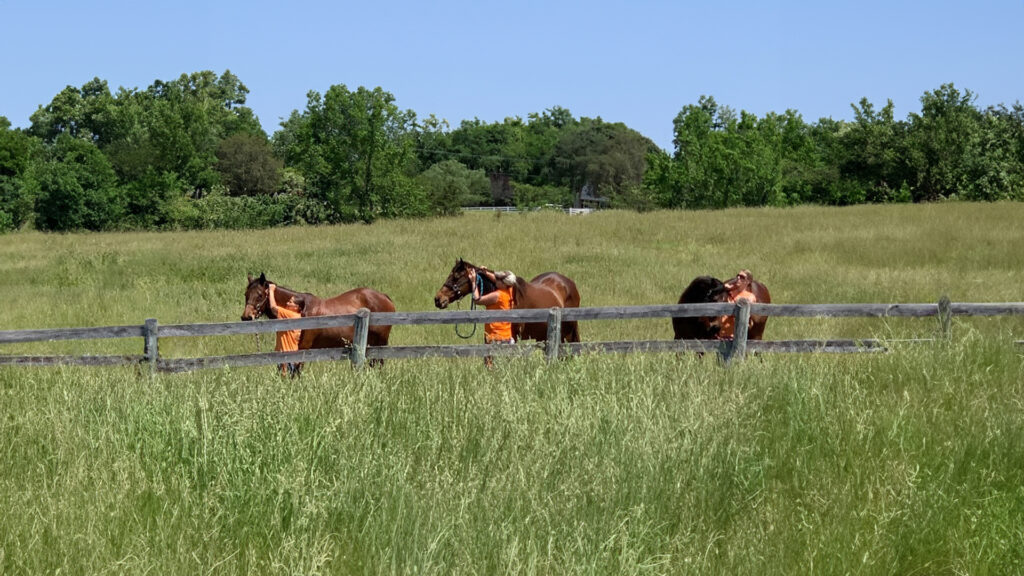
The James River Horse Foundation is a Thoroughbred Aftercare Alliance-accredited organization that offers lifelong sanctuary to retired Thoroughbred horses while partnering with the Virginia Department of Corrections to teach female inmates valuable horse care, barn management, and life skills. Learn about their mission, herd, and unique rehabilitation program.
Inspector Spotlight: Rachel Masen
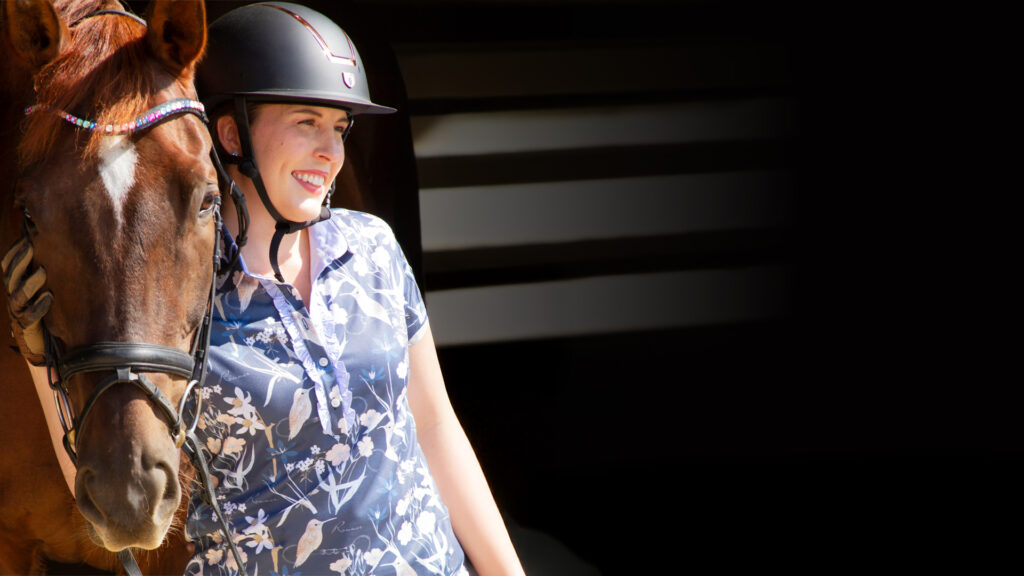
All Items Success Stories Aftercare Editorials Retraining Tips Supporter Features Equine-Assisted Learning Sanctuary Living Inspector Spotlights Hamburger Toggle Menu Previous PostNext Post Inspector Spotlight: Rachel Masen Inspector Spotlight: Rachel Masen By: Alexis Arbaugh June 25, 2025 Inspector Spotlight Tags:accredited aftercare, Aftercare Organization, Inspector Spotlight, Rachel Masen, Thoroughbred Aftercare, Thoroughbred Aftercare Alliance To qualify for accreditation and receive a grant from Thoroughbred Aftercare Alliance, every facility within an organization must undergo a comprehensive inspection. These inspections are carried out by either Thoroughbred Aftercare Alliance staff or one of many approved inspectors located across the country. Sight inspectors are Thoroughbred Aftercare Alliance’s eyes at every facility. They include veterinarians and other equine professionals. Inspectors have prior experience in animal care and Thoroughbred aftercare, which makes them well-equipped to assess facilities seeking accreditation. During an accreditation inspection, the facility and everything that goes into running it is under review. This includes the staff, equine management and care practices, fields, barn/buildings, cleanliness standards, maintenance protocols, and financial management, among numerous other factors, taking pictures as they go. When an inspector visits a facility, all these elements are thoroughly examined. Thoroughbred Aftercare Alliance interviewed Rachel Masen, an inspector who has been with Thoroughbred Aftercare Alliance since 2017. She conducts inspections in the San Francisco Bay and Sacramento Valley areas in California. Before becoming an inspector, Rachel was the Aftercare Liaison at Golden Gate Fields from 2016 – 2022. Through her work in the aftercare industry she was introduced to Thoroughbred Aftercare Alliance. Currently Rachel is working as an artist / designer and a website designer / manager. She works closely with various aftercare organizations to ensure their websites stay up to date and their messages are communicated clearly. Most of Rachel’s spare time is spent riding and being around horses, she commented, “I’m borderline obsessed with dressage.” She also enjoys painting and designing artwork for equestrian companies and products. Lastly, she loves spending time and playing with her daughter. Rachel had very little access to horses while growing up. Since Rachel didn’t ride frequently but had a passion for horses, she redirected all that energy into horse racing. She would visit Blue Ribbon Downs in Oklahoma with her parents or watch the races on TV. “I was the weirdo 10-year-old going down to the local newsstand to get my dad to buy the DRF or Bloodhorse…and I would read Bloodhorse on the school bus,” wrote Rachel. In the years following grad school, Rachel took riding lessons and leased a Thoroughbred named Titan (Jockey Club registered name Road to Gold.) Then she started volunteering with former Thoroughbred Aftercare Alliance accredited organization, Neigh Savers. After Titan, she started riding a Warmblood / Morgan cross and worked on Dressage. That horse led her to Spice It Up (Jockey Club registered name Gold Dove), who helped Rachel earn her United Stated Dressage Federation (USDF) Bronze. In 2018, they were 4th Level Thoroughbred Incentive Program (TIP) Champions. She is now riding an American Warmblood named Jax and they are getting ready to debut 4th Level. Even with all her experience with other breeds, Rachel still loves Thoroughbreds most and hopes to adopt one in the future. Rachel’s reason for becoming an inspector was because “it seemed like an obvious extension of my job [as the Golden Gate Fields Aftercare Liaison].” Rachel’s reason for becoming an inspector was because “it seemed like an obvious extension of my job [as the Golden Gate Fields Aftercare Liaison].” She loves visiting the horses she helped retire from Golden Gate that are now happy and thriving in their new homes. Rachel specifically enjoys visiting Glen Ellen Vocational Academy (GEVA) to check up on a few of their horses that she helped find a home for after they were at risk of ending up in bad situations. “It brings me great happiness to see them fat and happy with their herd mates,” Rachel emphasized. Facility inspections are important to Rachel because they make sure that nothing slips through the cracks. She acknowledges that someone who sees a horse every day might not notice little changes in their appearance or habits, but an inspector who sees them once a year will notice any changes. Same with farm maintenance, the farm manager might overlook the need to redo the fencing since they see it daily, but an inspector will notice what needs to be updated. Rachel also notes that facilities require a great deal of support and organizational skills during times of transition. If the organization moves locations or experiences an influx of horses, some things may get missed or forgotten in the shuffle. “It’s good to have different eyes on the situation to bring attention to things that might be missed,” Rachel mentioned. Having an organization like Thoroughbred Aftercare Alliance to rely on during times of transition makes maintaining structure and organization in the facility easier to handle. “I want to see happy, healthy horses…no matter their environment,” wrote Rachel. She prioritizes the demeanor and physical appearance of the horses over the fanciness of the barn. She cares more about how the horses behave in their environment than about the cost of their feed or the number of supplements they receive. Rachel also likes to ensure that all the horses seem interested in her when she visits, believing that horses should be curious about new things in their environment. Most importantly she enjoys seeing large herds of horses that get along well in their field. In addition to happy horses, Rachel appreciates a well-organized and clean facility with clear schedules and organizational tools posted. Organizations with many volunteers should have plenty of signage and information boards. For those involved in retraining, clean and tidy tack rooms with clearly labeled items are essential. Rachel likes “to see a tidy facility as it indicates care and attention.” She notes that supplies in the barns don’t have to sparkle or be new, as long as everything has its place. Accreditation “helps the aftercare organizations make sure they’re keeping on
Remember Me Rescue: Donna Keen’s Lifelong Passion for Retired Racehorses
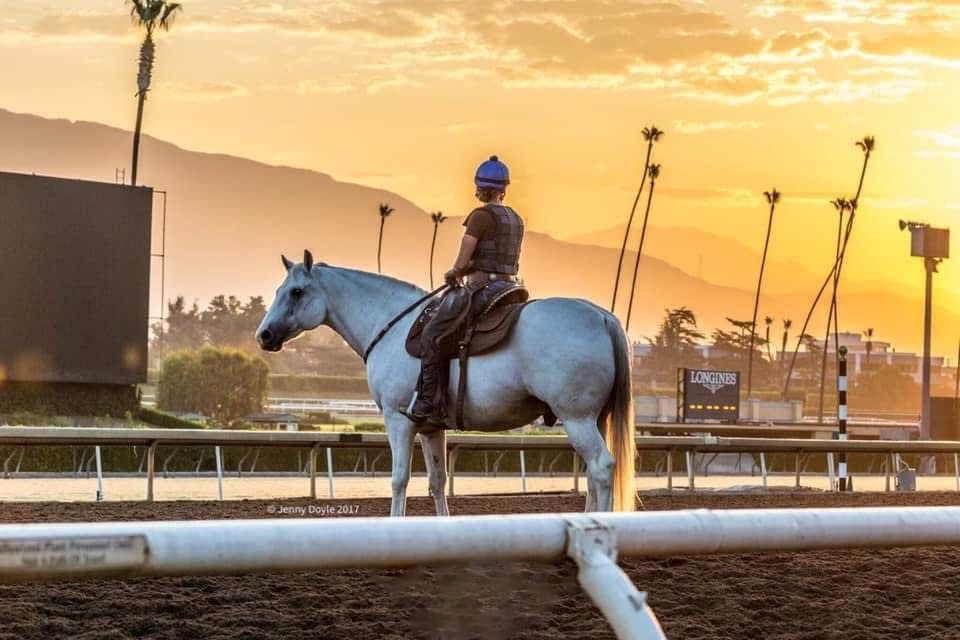
All Items Success Stories Aftercare Editorials Retraining Tips Supporter Features Equine-Assisted Learning Inspector Spotlights Hamburger Toggle Menu [wpdreams_ajaxsearchlite] Previous PostNext Post Remember Me Rescue: Donna Keen’s Lifelong Passion for Retired Racehorses This article was originally featured in the February 2025 Issue of BloodHorse Magazine in the Second Acts series. This article is the original format and text. To read the BloodHorse article or to subscribe click HERE. Remember Me Rescue: Donna Keen’s Lifelong Passion for Retired Racehorses By: Alexis Arbaugh February 21, 2025 Aftercare Editorials Tags:accredited aftercare, Aftercare Organization, BloodHorse Magazine, Donna Keen, Remember Me, Remember Me Rescue, Thoroughbred Aftercare, Thoroughbred Aftercare Alliance Photo Credit: Donna Keen Based in Burleson, Texas, Remember Me Rescue was founded in 2008 by Donna Keen, a passionate advocate for retired racehorses. Donna’s vision was to provide a safe place for owners and trainers to retire or rehome their racehorses. Remember Me Rescue was accredited by Thoroughbred Aftercare Alliance in 2014 and has since expanded its mission to meet the evolving needs of retired Thoroughbreds, caring for about 44 horses annually in rehabilitation, retraining for adoption, and sanctuary. Donna’s journey with horses began at 12 years old when her mother bought her an older horse. Before this, her family wasn’t involved with horses. Without a trainer or saddle, she learned “every lesson the hard way.” Later, her father bought her another horse and an English saddle. Reflecting on those early days, Donna recalls, “I’d jack my stirrups up to the top hole and gallop around the pasture, planning my jockey future.” Donna’s connection to racing was sparked when she met Johnny Hendricks, a trainer at a small training track in Mansfield, Texas. Despite lacking formal training, Donna seized every opportunity to ride, often choosing horses others wouldn’t. “I didn’t have the sense not to,” she remembers. “Johnny made me tough. He didn’t put up with any complaining or whining. I had to sit in my car and cry for about 30 minutes every day before I could drive home, but I sped back there every morning to keep doing what I loved—getting on horses.” Donna Keen on Bridless Wyatt. Photo Credit: Jenny Doyle In 1987, when Texas passed the parimutuel law requiring trainers to be licensed, Johnny encouraged Donna to take the test. After passing, she began her career as a trainer at Trinity Meadows Race Track in Weatherford, Texas. Early on, Donna worked evenings as a bartender to offset the costs of keeping horses at the track, often sleeping in her tack room. Mornings were spent riding all her own horses. Over time, Donna gained recognition as a trainer but also from her famous stable pony Wyatt, who was regularly ridden bridleless on the track. “Wyatt turned lots of heads and opened lots of doors for me,” Donna says. “He was a special horse and was well known from Santa Anita to Gulfstream Park.” Wyatt’s fame even led to Donna meeting her future husband, Dallas Keen, in 2004 at Lone Star Park. In 2007, Donna and Dallas married. The following year, they adopted Lights on Broadway, the 2001 Texas Horse of the Year, who had been abandoned and was at risk of being sent to an unfortunate fate. The adoption became pivotal for Donna. “I decided right then and there that more had to be done to save retired racehorses,” she reflected in a 2011 BloodHorse article, “Inspired by Lights: Beyond the Blinkers.” Photo Credit: Donna Keen After the adoption, the Texas Thoroughbred Association published an article about Lights on Broadway, which inspired the name of the rescue: Remember Me. Remember Me Rescue was officially founded as a 501(c)3 non-profit in 2008. Since its establishment, Remember Me Rescue has transformed its 20-acre property to include a 20-stall barn, a 2-stall quarantine barn, multiple paddocks, a round pen, and two riding arenas. Over the years, the organization has successfully placed hundreds of Thoroughbreds into forever homes. Donna credits the organization’s success to the Keens’ deep understanding of racetrack injuries and the habits that Thoroughbred racehorses develop. “I think what made us so successful at rehabilitating and retraining them was that we were very familiar with and knew all about the bad habits racehorses pick up—and how to turn them into positive reactions,” she explains. While most horses at Remember Me Rescue come from racetrack connections, as part of responsible retirement, some have come from dire situations, such as a 2012 Louisiana case in which Donna and Dallas took in 15 of the 60 horses seized from a Thoroughbred breeding farm after its owner was charged with animal cruelty. “I still have nightmares about that place,” Donna recalls. A positive outcome of this harrowing experience was meeting Rich Papiese of Midwest Thoroughbreds, who donated funding for their current 20-stall barn and 2-stall quarantine barn. “We would not be where we are without him and many other supporters over the years,” Donna shares. Remember Me Rescue carefully evaluates each horse to determine its suitability for a second career. The organization provides retraining to prepare them for new disciplines and collaborates with trainers, owners, and breeders to ensure horses receive the necessary second-career training, setting them up for success and readiness for adoption. The organization’s largest challenge is sustaining funding for its permanent residents. “It seems once a horse is in a safe place, the donations come to a screeching halt,” Donna explains. Remember Me Rescue supports several long-term residents, including a blind 18-year-old horse and his 28-year-old dam, as well as two other elderly horses (26 and 27). “I love the old guys and gals and would like to take in more if I could, but there’s no money to do that,” Donna laments. The rescue also has five long-term rehabilitation residents. Caring for permanent and long-term residents accounts for most of the rescue’s financial burden. Remember Me Rescue relies on various resources to fulfill its mission. In early 2024, it secured a grant from the North Texas Communities Foundation to build a large arena featuring
Thoroughbred Aftercare Alliance to be Present during Preakness Week
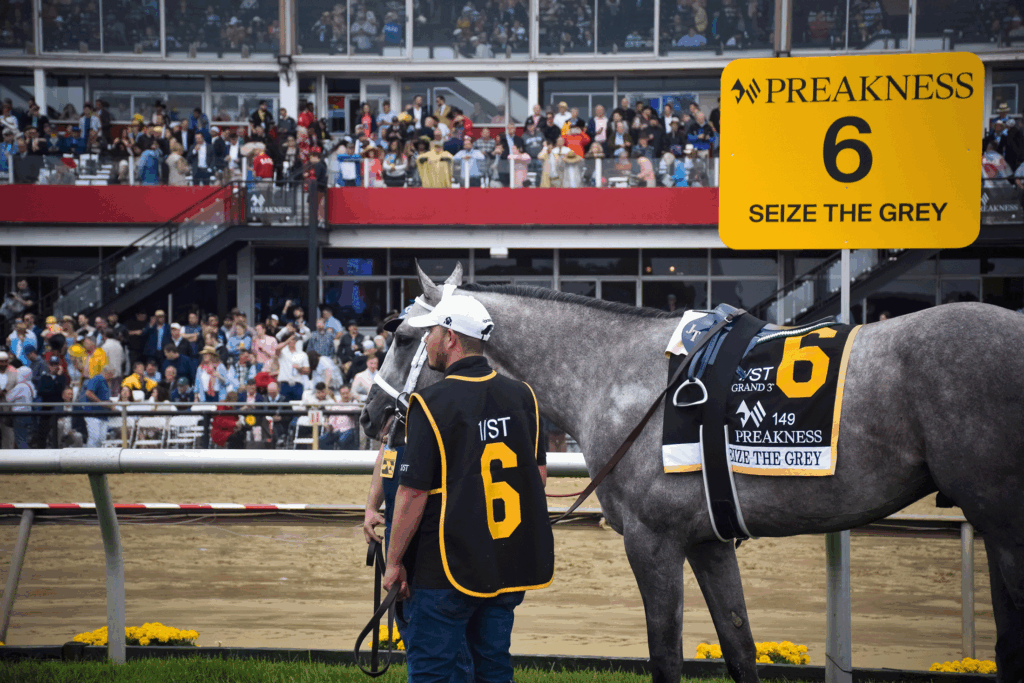
All Items Press Releases In the News Newsletter Archive Hamburger Toggle Menu [wpdreams_ajaxsearchlite] Previous Post Thoroughbred Aftercare Alliance to be Present during Preakness Week Thoroughbred Aftercare Alliance to be Present during Preakness Week FOR IMMEDIATE RELEASE May 8, 2025 News Tags:1/ST Racing, ABR Pre-Preakness Party, Ed Brown Society, Hallway Feeds, PDJF, Preakness, Spendthrift Farm, Thoroughbred Aftercare, Thoroughbred Aftercare Alliance, Triple Crown LEXINGTON, KY – Thoroughbred Aftercare Alliance will be present at Pimlico Race Course for the week leading up to Preakness 150 on Saturday, May 17, 2025. The Preakness is a Grade I race that spans a distance of 1 3/16 miles and serves as the second leg of the Triple Crown. With the combined efforts of 1/ST RACING, The Maryland Jockey Club, America’s Best Racing, and Thoroughbred Aftercare Alliance, accredited aftercare will be promoted with several on-site activations throughout the week. The 10th annual America’s Best Racing (ABR) Pre-Preakness Party to benefit Thoroughbred Aftercare Alliance and The Jockey Club Safety Net Foundation will be held at Mt. Washington Tavern in Baltimore, Maryland on Wednesday, May 14, 2024, at 6 PM EDT. The event will also raise awareness for the Ed Brown Society, an organization that celebrates the history of African Americans in the equine industry, as well as featuring a meet and greet with jockeys in support of the Permanently Disabled Jockeys Fund (PDJF). The evening will consist of networking, cocktails and hors d’oeuvres, guest analyst handicappers, and a silent auction. All proceeds of the auction, which will be both online and in person, will benefit industry charities. Tickets are available for purchase at bit.ly/ABRPartyTickets and you can register for the auction here: thoroughbredaftercare.org/abr-pre-preakness-party/ On Friday, May 16, during Black-Eyed Susan Day, both Thoroughbred Aftercare Alliance and Best Turned Out sponsor Hallway Feeds will be recognized with named undercard races. Following the running of the races a presentation will be made to the winning connections, including a branded winner’s blanket and gift bag. On Saturday, May 17, Thoroughbred Aftercare Alliance will present the Sir Barton Stakes sponsored by Spendthrift Farm. After the running of the race, a presentation will be made to the winning connections, including a branded blanket and gift bag, and a check presentation will be made to Thoroughbred Aftercare Alliance from Spendthrift Farm. “The Maryland Jockey Club and 1/ST RACING are proud to partner with Thoroughbred Aftercare Alliance and are thrilled to welcome them back for Preakness 150,” said Mike Rogers, Executive Vice President, 1/ST RACING. “By promoting accredited aftercare throughout the week, we hope to show racing fans our dedication to our horses once their racing careers have concluded.” The Grade II George E. Mitchell Black-Eyed Susan Day has a post time of 5:44 PM EDT on Friday. The Preakness Stakes has a post time of 7:01 PM EDT on Saturday. On both days, Thoroughbred Aftercare Alliance will host the Best Turned Out Horse Awards in the Pimlico Race Course winner’s circle for each race. These awards will be sponsored by Hallway Feeds on Friday and First Fidelity on Saturday. Additionally, a representative from Thoroughbred Aftercare Alliance will be present to host the winners of the “Off to the Races” VIP Experience online benefit auction. This exciting VIP experience was generously donated by 1/ST RACING, America’s Best Racing, and Mt. Washington Tavern. The winners will enjoy a table for four in the Turfside Terrace on Black Eyed Susan and Preakness Day, tickets to the ABR Pre-Preakness Party, access to the winner’s circle, and much more. Thoroughbred Aftercare Alliance will have a booth on the first level of the grandstand on Friday and Saturday, where race fans and participants can learn more about accredited aftercare. Branded merchandise and race memorabilia will be gifted in exchange for donations. “Thoroughbred Aftercare Alliance is excited to be a part of Preakness 150,” said Emily Dresen, Director of Funding & Events, Thoroughbred Aftercare Alliance. “We are grateful for the opportunities provided by America’s Best Racing, The Maryland Jockey Club, and 1/ST RACING to promote accredited aftercare during one of racings biggest events.” About Thoroughbred Aftercare Alliance Based in Lexington, KY, Thoroughbred Aftercare Alliance is a 501(c)(3) nonprofit that accredits, inspects, and awards grants to approved aftercare organizations to retrain, retire, and rehome Thoroughbreds using industry-wide funding. Along with continued funding from its original partners Breeders’ Cup, The Jockey Club, and Keeneland Association, Thoroughbred Aftercare Alliance is supported by owners, trainers, breeders, racetracks, aftercare professionals, and other industry members. Since its inception in 2012, Thoroughbred Aftercare Alliance has granted more than $36.04 million to accredited aftercare organizations. Currently, 83 aftercare organizations comprised of approximately 175 facilities across North America have been granted accreditation. To learn more about Thoroughbred Aftercare Alliance, visit thoroughbredaftercare.org. Contact Thoroughbred Aftercare Alliance859-224-2756info@thoroughbredaftercare.org Fundraising & EventsEmily Dresen352-362-6934edresen@thoroughbredaftercare.org Media ContactSamantha Smith Share This Release
Spendthrift Farm to Sponsor Sir Barton Stakes Presented by Thoroughbred Aftercare Alliance During Preakness Weekend
All Items Press Releases In the News Newsletter Archive Hamburger Toggle Menu [wpdreams_ajaxsearchlite] Previous Post Spendthrift Farm to Sponsor Sir Barton Stakes Presented by Thoroughbred Aftercare Alliance During Preakness Weekend Spendthrift Farm to Sponsor Sir Barton Stakes Presented by Thoroughbred Aftercare Alliance During Preakness Weekend FOR IMMEDIATE RELEASE May 6, 2025 News Tags:Preakness, Sir Barton Stakes, Spendthrift, Spendthrift Farm, Thoroughbred Aftercare, Thoroughbred Aftercare Alliance, Triple Crown LEXINGTON, KY – Thoroughbred Aftercare Alliance announced that Spendthrift Farm will sponsor the Sir Barton Stakes, presented by Thoroughbred Aftercare Alliance. The race is scheduled to run on Saturday, May 17, the day of the 150th Preakness Stakes. In a generous show of support for accredited aftercare, Spendthrift Farm will also make a donation of $50,000 to Thoroughbred Aftercare Alliance during a check presentation following the running of the Sir Barton Stakes. “We are honored to partner with Spendthrift Farm for this year’s Sir Barton Stakes,” said Stacie Clark Rogers, Operations Consultant, Thoroughbred Aftercare Alliance. “Their commitment to the welfare of Thoroughbreds, both during and after their racing careers is inspiring, and we are deeply grateful for their support of Thoroughbred Aftercare Alliance’s mission.” “At Spendthrift, the care and future of Thoroughbreds has always been a top priority,” said Ned Toffey, General Manager, Spendthrift Farm. “We are proud to support Thoroughbred Aftercare Alliance and to be part of a weekend that celebrates the best of our sport, both on and off the racetrack.” About Thoroughbred Aftercare Alliance Based in Lexington, KY, Thoroughbred Aftercare Alliance is a 501(c)(3) nonprofit that accredits, inspects, and awards grants to approved aftercare organizations to retrain, retire, and rehome Thoroughbreds using industry-wide funding. Along with continued funding from its original partners Breeders’ Cup, The Jockey Club, and Keeneland Association, Thoroughbred Aftercare Alliance is supported by owners, trainers, breeders, racetracks, aftercare professionals, and other industry members. Since its inception in 2012, Thoroughbred Aftercare Alliance has granted more than $36.04 million to accredited aftercare organizations. Currently, 83 aftercare organizations comprised of approximately 175 facilities across North America have been granted accreditation. To learn more about Thoroughbred Aftercare Alliance, visit thoroughbredaftercare.org. Contact Thoroughbred Aftercare Alliance 859-224-2756 info@thoroughbredaftercare.org Fundraising & Events Emily Dresen 352-362-6934 edresen@thoroughbredaftercare.org Media Contact Samantha Smith Share This Release
Healing Through the Heart of Summit County
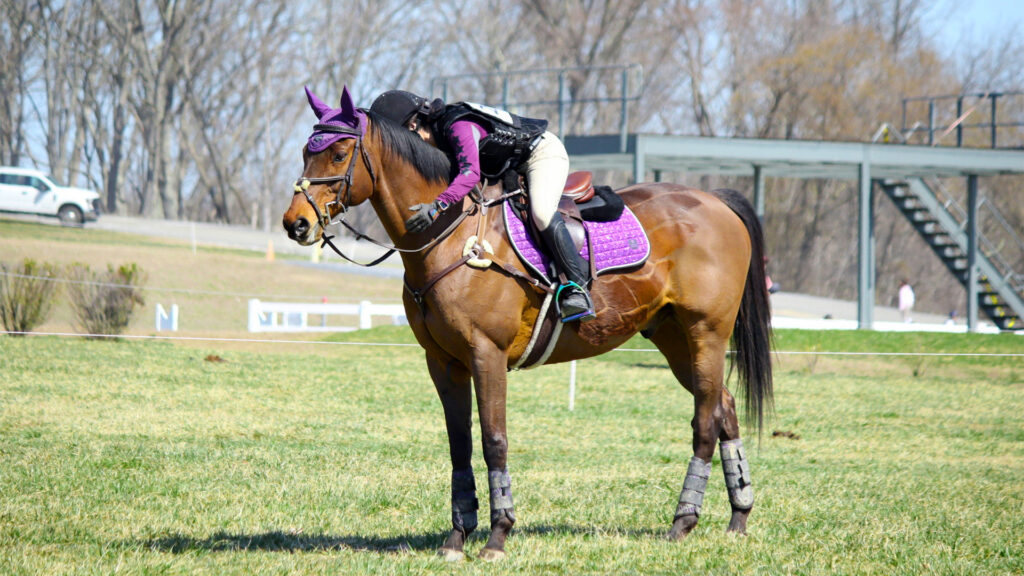
All Posts & News Press Releases Success Stories Aftercare Editorials Retraining Tips Supporter Features Equine-Assisted Learning Inspector Spotlights Hamburger Toggle Menu [wpdreams_ajaxsearchlite] Previous Post Healing Through the Heart of Summit County Healing Through the Heart of Summit County By: Alexis Arbaugh April 14, 2025 Success Stories Tags:accredited aftercare, Accredited Organization, Eventing, Mid-Atlantic, Mid-Atlantic Horse Rescue, Thoroughbred Aftercare Alliance Photo Credit: Ak Dragoo Photography Brianna DiRocco-Toy’s journey to finding Summit County was far from straightforward. She tried 13 different horses, each one bringing her closer to her perfect match, yet none quite right. Initially, Summit County wasn’t even on her radar. Brianna had her eyes set on another horse, only to discover that it had too many limitations. That’s when Sally, a trainer at Mid-Atlantic Horse Rescue, recommended Summit County, saying, “You have to try Summit County if you want a horse with confidence.” Those words struck a chord with Brianna, and she knew she had to meet him. Out of the multiple stakes-winning Katahaula County mare Socorro County, Summit County concluded his racing career in July 2017 with a solid record of 10 wins, 4 seconds, and 13 thirds from 62 starts, earning $206,185. While he spent most of his six-year career in the claiming ranks, he stepped up to stakes company a few times, finishing fourth in the Bourbon Stakes (G3T) before running in the 2012 Breeders’ Cup Juvenile Turf (G1T). When his racing connections decided it was time for him to transition into a second career, he retired and found his way to Mid-Atlantic Horse Rescue, a Thoroughbred rescue, rehabilitation, and retraining organization in Chesapeake City, Maryland, accredited by Thoroughbred Aftercare Alliance. The team at Mid-Atlantic guided Brianna through every step of the adoption process. “Their dedication to matching horses with the right person was evident, and I owe it to their guidance that I found my perfect match,” Brianna shared. From the moment she laid eyes on Summit County, she felt something different. His calm yet confident demeanor stood out in a way no other horse had. “Summit County has a personality that’s impossible to miss,” Brianna said. She quickly discovered that he was confident, friendly, and incredibly personable. With his kind eyes and sweet face, he has an uncanny ability to put people at ease. What truly sets him apart, however, is his unique blend of goofiness and elegance. From the start, Brianna was drawn to Summit County’s playful yet graceful nature, and he quickly became her heart horse. The last six years with Summit County have been an incredible journey. Brianna initially used him in her college equine classes, where he proved to be the perfect partner. During college, they took their time with the retraining process, and eventually, Summit County’s talent and love for Eventing began to shine through. He excelled in all three phases, making each ride a rewarding experience for them both. Looking ahead, Brianna has big goals for herself and Summit County. She hopes to continue advancing in Eventing, move up to the beginner novice level, and reach a dressage score in the low 20s. “These goals are steps toward making us a stronger, more skilled pair, and I’m excited for what lies ahead,” she said. “Summit County truly means the world to me. He has been my strength, my rock, and my therapist through one of the hardest chapters of my life,” Brianna shared. Diagnosed with ulcerative colitis in 2020, she faced some of her lowest moments but found comfort and support in Summit County. During this difficult time, Brianna and Summit County discovered their mutual love for Eventing. Being on the Cross-Country course with him became the best medicine, offering her a temporary escape from her illness. “Trotting down the centerline or galloping across open fields allowed me to forget, even if just for a little while, that I was battling UC,” Brianna recalled. One memory that remains etched in Brianna’s mind is when her fiancé and family brought Summit County to their home. She had been sick for weeks, but just seeing Summit County brought her a sense of peace. Eventually, Brianna made the difficult decision to undergo surgery to regain her quality of life. Just six weeks post-op, with the support of her fiancé and trainer, she took Summit County on a gentle trail ride, where he was the perfect gentleman. As she continued to heal, Brianna began creating TikTok videos with Summit County to raise awareness about ostomy life. Summit County proved to be the ideal partner in helping her share her story. Just three months after her surgery, they were back to Eventing. “That day, we took home a beautiful pink fifth-place ribbon, and I was overwhelmed with pride,” Brianna recalled. Summit County had not only helped her navigate the physical and emotional toll of her journey, but he also helped her return to the sport she loved. That moment, back on the Eventing field with Summit County, reminded Brianna that she had her life back. For that, she will always be grateful. Share This Article Do you have a success story that you would like to share? Submit your experience with an accredited organization here: Success Story Submission
Getting Started with Groundwork & Manners for Your Ex-Racehorse
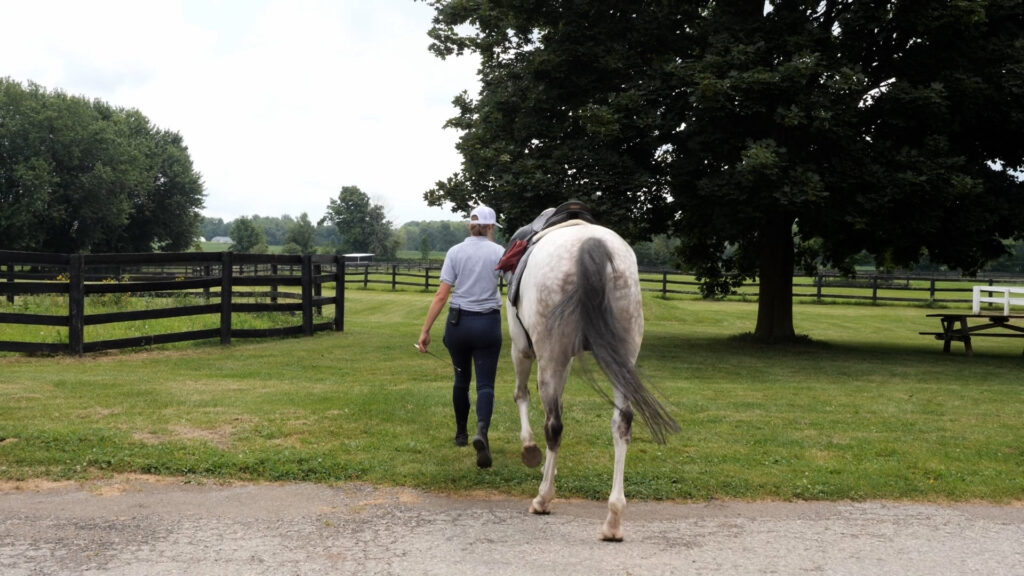
All Posts & News Press Releases Success Stories Aftercare Editorials Retraining Tips Supporter Features Equine-Assisted Learning Inspector Spotlights Hamburger Toggle Menu [wpdreams_ajaxsearchlite] Previous Post Getting Started with Groundwork and Manners for Your Ex-Racehorse Getting Started with Groundwork and Manners for Your Ex-Racehorse By: Alexis Arbaugh April 11, 2025 Retraining Tags:Accredited Organization, Groundwork, LongRun Thoroughbre, Manners, Retraining, Thoroughbred Aftercare Alliacne Lauren Millet, LongRun Thoroughbred Retirement Society Thoroughbred Aftercare Alliance recently had the pleasure of speaking with Lauren Millet, the trainer at LongRun Thoroughbred Retirement Society, about her approach to retraining ex-racehorses. Based in Toronto, Canada, LongRun is a Thoroughbred Aftercare Alliance-accredited organization dedicated to the rehabilitation, retraining, and adoption of retired Thoroughbred racehorses. Growing up, Lauren frequented the racetracks in Canada and hoped that one day she would have a job working with racehorses. Years later, Lauren became the Farm Manager at LongRun, where she oversees the training and riding of all the horses that enter the facility. Her role involves assessing the training of each horse and building upon their foundation. Additionally, she evaluates each horse once the retraining process begins to determine the most suitable second career for them. “Groundwork in racehorses totally varies based on where they come from, who their groom was and what they were allowed to do at the racetrack,” writes Lauren. Nearly all racehorses are hand-walked almost daily from the time they are weaned, which instills good manners and ensures they walk confidently and respectfully beside their handlers. However, Lauren notes that most ex-racehorses are not taught the following: “how to move away from pressure, back up when asked, step over or around obstacles, stand in crossties or tied outside.” The life of a racehorse is quite different from that of a sport horse, so they’re taught different skills from an early age to help them succeed in their specific careers. “They [racehorses] are taught the things that they need to know at the track, such as: how to tie in a stall, lead to the left, pick all 4 feet from the left side etc.,” Lauren says. She encourages people to recognize the importance of understanding what that specific horse was taught on the track, as it directly influences how they should be trained off the track. At LongRun, horses arriving directly from the racetrack will either require rehabilitation with stall rest or benefit from a period of downtime before beginning their retraining program. “If a horse is on stall rest, obviously in-hand manners cannot be tested, but we do look for stall manners,” Lauren comments. Observing whether a horse respects your presence or shows signs of any bad behavior when you enter their space can be crucial in determining what to focus on during stall rest. It is the person’s job to show and teach the horse what you want from them. “With some it is easy, while others might be annoyed and irritated that they are on stall rest,” notes Lauren. She is essentially saying that there is a limited number of things that you can teach a horse while in a stall, but you can teach them to respect your space and to move away from pressure. For horses that retire sound from the track and only need downtime, it’s easier to assess their groundwork and manners. Each horse will require a varying amount of downtime before beginning their retraining. Lauren feels that you can learn a great deal about a horse based on their behavior while walking to and from the pasture, “this gives us a chance to see which horses might require some ground to learn respect before jumping into the saddle and which horses might be good to go”. Teaching a horse to walk over poles, back up, and move away from pressure are essential skills for riding. Therefore, starting with groundwork—regardless of the horse’s prior training—provides them with a solid foundation and helps ensure the safety of both you and the horse. “It just helps to ease their confusion when learning all the new things at once,” Lauren expresses. “Once they understand, it makes for a much happier time for both horse and human.” Lauren Millet LongRun Thoroughbred Retirement Society Once a horse has completed their rehabilitation or downtime, it’s time to focus on skills that will assist them in their second career. Lauren mentions that it usually becomes clear what kind of retraining a horse will need after they’ve been on the farm for a couple of days. Horses that arrive at LongRun with prior handling and riding experience typically transition more smoothly, as they already have a head start. In contrast, those with less experience require additional time to learn the basics before formal retraining can begin. “Many racehorses carry tension, and it’s important to teach them right away to let that go,” observes Lauren. She emphasizes the importance of ensuring that all horses are comfortable in their own bodies and able to move freely and without stress. Teaching a horse to remain relaxed and not feel tense can be challenging; it requires a significant amount of patience and understanding from the trainer, especially during the initial stages. “The goal is to teach the horse that whatever the encounter, their response should be to remain calm and think about what they are doing,” Lauren emphasizes. Horses are intelligent and eager to please, but it’s essential to clearly demonstrate to the horse what behaviors are acceptable and which are not. “If you let them [horses] take an inch, they will take and mile,” writes Lauren. It’s important to kindly discipline a horse when they exhibit undesirable behavior and to praise them when they do something you approve of. A horse will remember the discipline and will be less likely to repeat the behavior that got them in trouble. Conversely, when a horse is praised for doing the right thing, they are likely to remember that positive reinforcement and want to replicate the behavior to receive more praise. Establishing clear ground rules from the beginning
Equine-Assisted Learning: Down the Stretch Ranch
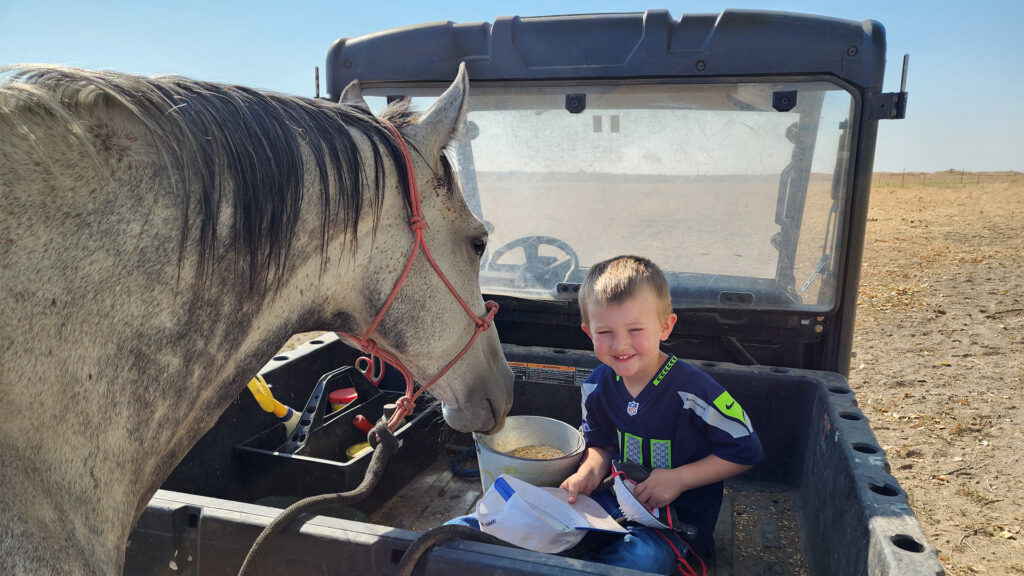
All Posts & News Press Releases Success Stories Aftercare Editorials Retraining Tips Supporter Features Inspector Spotlights Hamburger Toggle Menu [wpdreams_ajaxsearchlite] Previous Post Equine-Assisted Learning: Down the Stretch Ranch Equine-Assisted Learning: Down the Stretch Ranch By: Daniel McCanna ‘Boone’ April 11, 2025 Equine-Assisted Learning Tags:accredited aftercare, Aftercare Organization, Down The Stretch Ranch, Equine Therapy, Equine-Assisted Learning, equine-assisted therapy, Therapy, Thoroughbred Aftercare Alliance Through our Equine-Assisted Learning series, we aim to showcase the incredible work of Thoroughbred Aftercare Alliance-accredited organizations that use retired racehorses in therapeutic programs. Each of these programs offers a unique approach to healing and supporting participants in physical, emotional, and mental well-being. This series will explore how Thoroughbred ex-racehorses are now partners in therapy, providing a safe, supportive environment where individuals can experience growth and recovery. Down the Stretch Ranch (DTSR), est. 2014 At Down the Stretch Ranch, our passion for horses runs deep, but even more so, our commitment to helping people heal through the incredible bond between humans and horses drives everything we do. Located on a sprawling ranch in Eastern Washington where retired thoroughbred racehorses find new purpose, we use the power of equine therapy to transform lives. A Second Chance for Horses and Humans Retired racehorses come to the ranch from various trainers around the northwest, mainly California. The horses arrive in good health but have certain soundness issues that have kept them from being able to compete at the racetrack. Often these racehorses face uncertain futures, but at DTSR, we offer them a second chance—not just to live out their days in peace, but to become catalysts for healing. Thoroughbreds, with their spirited nature, teach patience, empathy, and trust—qualities that are crucial for individuals overcoming trauma, stress, or mental health challenges. By interacting with these horses, participants develop deeper emotional connections and learn essential life skills in a non-judgmental, nurturing environment. This forces each individual to be in the present. DTSR – Creston, WA When the horses first arrive, they are evaluated and placed in suitable corrals to assist them with healing. We are committed to giving the horses at least one year at the ranch before we consider rehoming them or whether we will keep them at the ranch for the rest of their life as a sanctuary horse. After evaluating the horse for a year, we determine if the horse is suitable for adoption or if it will live out its life at the ranch. The ranch has one hundred grazeable acres, and the horses are able to roam the entire pasture. This kind of roaming helps with the circulation in their feet and their overall digestive health. When the snow flies, we feed first cutting alfalfa, oat hay and grain. All the farrier and dental work is done on individual as needed basis. We have two experienced horseman that are always at the ranch, and both have extensive knowledge on how to care for the horses and provide farrier work and provide excellent care for the horses. The favorite part of the ranch is watching the horses transform from the high intensity work at the racetrack, to a slow county retirement living. These horses are so incredibly smart! It is a pleasure to drive out in the field and have the whole herd run over to you to get their daily attention and treats. Therapy for Veterans and Children at DTSR Unlike traditional therapy, equine therapy offers a unique, experiential approach to healing. Whether it’s learning to groom, guide, or simply be present with a horse, participants find comfort and confidence in the connection they build. Horses have a natural ability to mirror human emotions, offering real-time feedback that helps individuals process feelings they may struggle to articulate. Over the last 10 years the ranch has hosted hundreds of veterans and children with nothing but positive feedback! Our staff would like to take the credit for all the positive outcomes over the last 10 years, but it is simple to see the horses provide the magic! Learn more about Thoroughbred Aftercare Alliance’s accredited organizations: Accredited Equine-Assisted Learning Organizations Share This Article
Diana McClure
All Posts & News Press Releases Success Stories Aftercare Editorials Retraining Tips Supporter Features Equine-Assisted Learning Inspector Spotlights Hamburger Toggle Menu [wpdreams_ajaxsearchlite] Previous PostNext Post Inspector Spotlight: Diana McClure Inspector Spotlight: Diana McClure By: Alexis Arbaugh April 10, 2025 Inspector Spotlight Tags:Accredited Facility, Accredited Organization, Inspection, Inspector, Inspector Spotlight, Thoroughbred Aftercare, Thoroughbred Aftercare Alliance, Thoroughbred Retirement Foundation, TRF To qualify for accreditation and receive a grant from Thoroughbred Aftercare Alliance, every facility within an organization must undergo a comprehensive inspection. These inspections are carried out by either Thoroughbred Aftercare Alliance staff or one of many approved inspectors located across the country. Site inspectors are Thoroughbred Aftercare Alliance’s eyes at every facility. They include veterinarians and other equine professionals. Inspectors have prior experience in animal care and Thoroughbred aftercare, which makes them well-equipped to assess facilities seeking accreditation. During an accreditation inspection, the facility and everything that goes into running it is under review. This includes the staff, equine management and care practices, fields, barn/buildings, cleanliness standards, maintenance protocols, and financial management, among numerous other factors, taking pictures as they go. When an inspector visits a facility, all these elements are thoroughly examined. Diana McClure has been a long-time and dedicated inspector for Thoroughbred Aftercare Alliance. Since 2021, Diana has served as an inspector for the organization, focusing primarily on facilities in Virginia and Maryland. Her involvement began through the encouragement of Dr. Pug Hart and his wife, Susie Hart—a former board member—who motivated Diana to explore the opportunity to give back to the racing industry by becoming an aftercare organization inspector. Shortly thereafter, Suzie Oldham, Inspections Administrator at Thoroughbred Aftercare Alliance, reached out to Diana to discuss her background in Thoroughbred aftercare. That conversation deepened Diana’s understanding of the organization’s mission and led to her first facility visit. In her interview, Diana emphasized again and again that “accredited aftercare is so very important to provide a safe landing for any Thoroughbred.” Over the years, she has been an invaluable member of the team, sharing her expertise and passion for aftercare. Diana has devoted most of her life to horses. She grew up competing in Hunters and Equitation, but her love for racehorses began with Secretariat. His story sparked her interest in racing and inspired her to shift her focus from showing to the track. Her enthusiasm eventually convinced her parents to buy her a pony to ride in pony races. During high school, she connected with a neighbor who allowed her to help break his racehorses. She would travel with him to Charles Town Races near Washington, D.C., serving as an exercise rider and assisting at the starting gate during races. “When I meet facility caretakers who know every horse by name and can tell me about their personalities and who their friends are, my heart wants to explode with joy for the horses and with gratitude for the caretakers.” Diana McClure In college, Diana met an assistant trainer and began traveling with him to Monmouth Park in New Jersey. After gaining valuable experience on the track and obtaining her trainer’s license, she returned to Virginia and began training out of the Middleburg Training Center. It was there that she met her husband, a former steeplechase jockey. The couple married and worked hard to purchase a 100-acre field in Berryville, Virginia, where they built their training facility. Beginning in 2006, they developed a large clientele and trained both flat and jumping racehorses. Today, they focus exclusively on training and breeding flat racehorses. They personally break all their horses, using a methodical approach that incorporates walk, trot, canter, and cavaletti work to ease their transition into second careers. All of Diana’s homebred horses are guaranteed a place on her farm should they no longer be wanted after their racing careers conclude. With daily exposure to Thoroughbreds and a few retirees living on her farm, Diana possesses a deep and practical understanding of the breed. Her experience as a trainer gives her insight into the life of a racehorse, while her role as an aftercare provider highlights the specific accommodations Thoroughbreds require after the track. She emphasizes the importance of knowledgeable caretakers at aftercare facilities, noting, “… make sure they [Thoroughbreds] receive proper nutrition and care, especially as they age.” Photo at Thoroughbred Retirement Foundation Accredited aftercare plays a vital role in the racing industry. It provides peace of mind to owners and breeders, knowing their horses will receive the highest standard of care once their racing careers end. For adopters, accredited facilities uphold defined practices and standards, creating a trustworthy environment in which to make adoption decisions. These safeguards not only protect the welfare of the horses but also strengthen the integrity and sustainability of the racing community. In her three years of conducting inspections, Diana has developed a list of personal best practices she hopes to see at every facility. At the top of her list is a well-managed herd. She enjoys observing horses that coexist peacefully, forming a cohesive and friendly group. Her next priority is proper nutrition. Diana appreciates facilities that prioritize and continuously improve their horses’ nutritional programs—providing balanced diets with grain, hay, and access to pasture. She also underscores the importance of complementing nutrition with annual dental care and regular hoof trimming to support each horse’s health and happiness. Diana’s favorite inspection memory comes from her first-ever visit to a Thoroughbred Retirement Foundation facility. Aimee Leach, who managed the facility, gave Diana a warm welcome and a full tour of the barns and pastures. “Their horses were some of the best I have ever seen,” Diana recalled. She was impressed not only by the horses’ excellent condition and calm demeanors, but also by the individualized attention each received. Diana was particularly touched to see that the senior horses were housed closest to the barn so Aimee could keep a close watch on them. Each horse was fed individually to ensure they had time to finish their meals. Diana vividly remembers being amazed to learn that
The First Ride
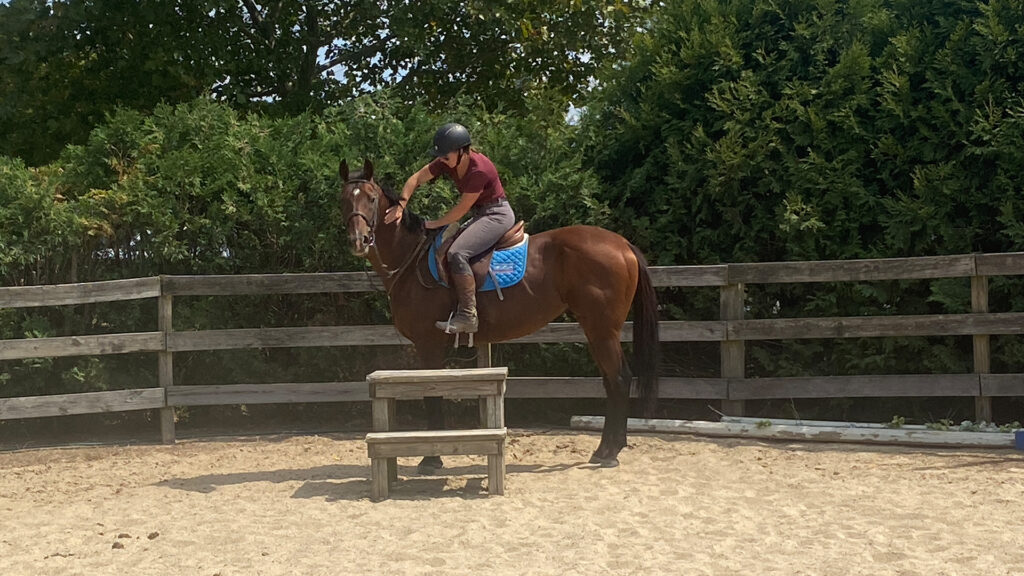
All Posts & News Press Releases Success Stories Aftercare Editorials Retraining Tips Supporter Features Inspector Spotlights Hamburger Toggle Menu [wpdreams_ajaxsearchlite] Previous Post The First Ride The First Ride By: Alexis Arbaugh April 3, 2025 Retraining Tags:MidAtlantic Horse Rescue, Mounting, Mounting Block, Retraining, Retraining Tip, Thoroughbred Aftercare, Thoroughbred Aftercare Alliance Aint Wasting Time’ first ride The first ride on a recently retired Thoroughbred racehorse can be quite daunting, especially for those new to it. Even experienced riders might find it intimidating. These horses are fresh off the racetrack, often highly muscled, fit, and powerful—qualities that make them incredibly fast and strong but also a bit overwhelming for immediate riding. Most owners give their retired racehorses a break before starting any retraining. This downtime allows the horse to relax, adjust to its new environment, and lose some of that racetrack muscle. It is crucial for starting the retraining process with a clean slate. Thoroughbred Aftercare Alliance had the pleasure of speaking with Beverly Strauss, one of the co-founders of MidAtlantic Horse Rescue in Chesapeake City, Maryland, about the first ride off the racetrack. MidAtlantic, a Thoroughbred Aftercare Alliance-accredited organization, cares for more than 45 horses across their main facility and satellite farms. They work closely with racetracks to take horses directly off the track and rescue them from auctions and feed lots. Once the horses arrive, they are carefully evaluated for rideability, trained, and placed into adoptive homes. In addition to her aftercare work, Bev and her husband run a small Thoroughbred racing business at Delaware Park. With her extensive knowledge both on and off the racetrack, Bev is a highly skilled horsewoman who ensures the best outcomes for all her horses. “One of the great things about OTTBs is the solid foundation that most of them have,” Bev wrote. Many are already well-versed in walking, jogging, cantering, galloping, and automatically changing leads, both independently and in groups. These young Thoroughbreds are exposed to a lot of commotion during early morning workouts and race days, learning to stay relaxed even in busy environments. Whether they race for ten years or not at all, they come away highly desensitized. There are a few key similarities between racehorse riding and sport horse riding. In both disciplines, riders must have excellent balance, whether perched atop the horse or with their legs securely wrapped around its barrel, and maintain a quiet, steady hand. Bev points out that the mindset is also often the same—if a horse gets “spicy,” the rider laughs it off and pushes the horse forward, making sure not to let the horse get away with anything. Just like training racehorses, there are various approaches to retraining them. Some trainers prefer groundwork, while others, like Bev and her team at MidAtlantic, prefer to hop right on without any groundwork. However, before riding, they ensure the horse is sound, eats well, and is maintaining a healthy weight—key factors that indicate the horse is ready to start work. Much of the tack used on the racetrack is similar to what you’ll use when retraining. Since this will be a new experience for the horse, keeping familiar elements can help them feel more at ease. At MidAtlantic, they prefer to start all their horses in a D snaffle with a lozenge in the middle. The D snaffle is the same as on the track. On the track, D snaffles typically have one joint, while off the track, they often have two joints. Both bits are gentle, but double-jointed snaffles are the softest, making them ideal for horses starting a new career. At MidAtlantic, they also use a very loose running martingale on all their horses, as it’s similar to a yoke and rings. A running martingale provides more control by applying pressure and preventing the horse from raising its head too high. While a yoke with rings is typically made of nylon rather than leather, it serves the same purpose. Although English and jockey saddles differ in size, they generally sit in the same spot on the horse’s back, so there is little difference in how it makes the horse feel. Aint Wasting Time’s first ride Some trainers prefer the intimacy of working in a round pen, but Bev has a different approach. “I personally don’t like riding in a round pen because there isn’t much room, and it’s hard for the horse to balance, always being on a turn,” she explains. She also points out the limited space to regain control if the horse becomes unruly. Instead, Bev starts all their horses in an arena, which offers more space for free movement and helps the horse feel less confined. Bev also rarely lunges a horse before the first ride, only “if the horse acts girthy or uncomfortable, but only maybe one or two times out of over 100 first rides.” MidAtlantic places a strong emphasis on using voice cues during the first few rides. Depending on how much and what kind of training the horse had previously, their understanding of leg pressure will vary. For instance, a horse that was hacked as a youngster might already have an idea of what leg pressure means. “Smooching or clucking helps while they learn what the leg means,” Bev writes. Another common issue is the horse’s ability to steer, which also depends on their prior training. For example, a horse that was long-lined will typically have better steering skills. The mounting block is often a foreign object to a racehorse, and it can take time for the horse to get used to it. At MidAtlantic, they use a large, three-step wooden block positioned on a curve, away from the wall. This setup allows the horse to be placed between the block and the fence, creating a barrier to keep the horse still. Some horses are unfazed by the block, while others might be wary and avoid it. “In those cases, we’ll sit on the block and chat until the horse relaxes and approaches it,” Bev says. Ain Wasting